
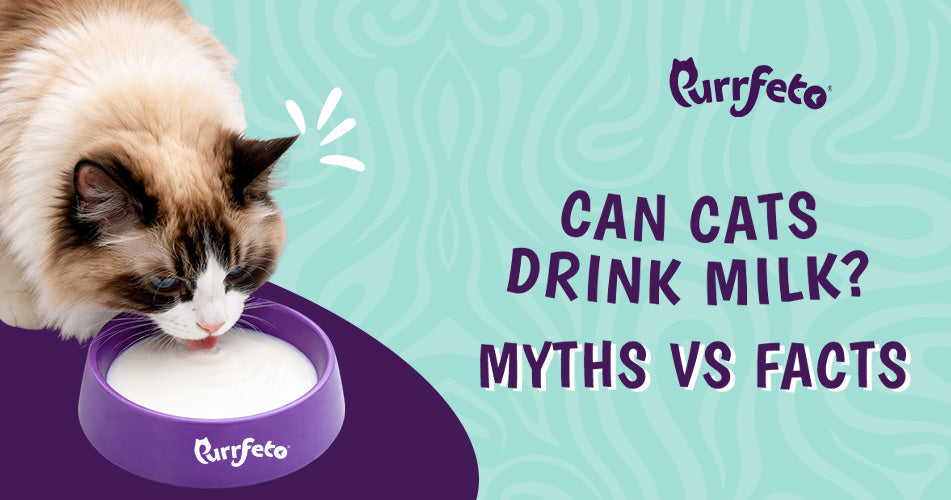
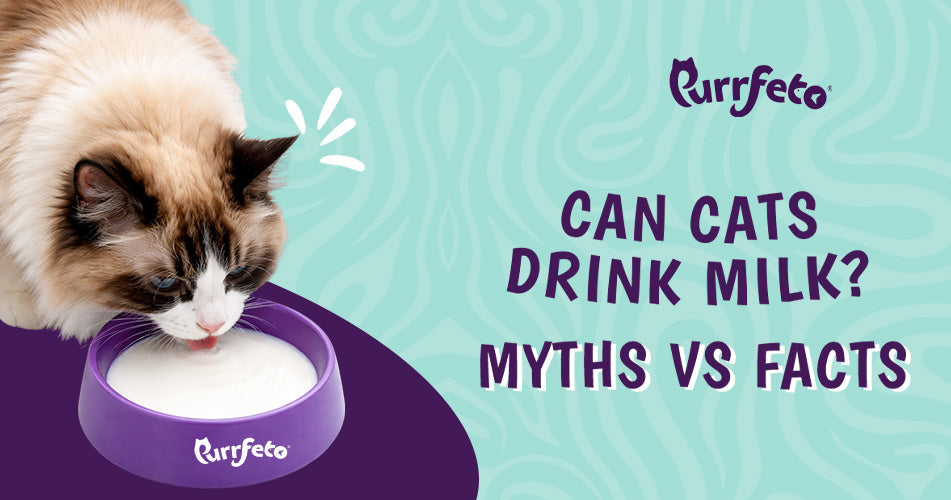
A sleeping cat in a storybook often lies next to a saucer of milk. That image is familiar. It is charming. It is also misleading. Over time, we have accepted the idea of cats drinking milk as natural. But is it really healthy? The short answer is no. The longer answer helps us understand feline digestion, discomfort, and the kind of nutrition that actually supports your cat’s well-being.
Let us explore why this myth began, what science says now, and what to offer your cat instead, especially when keeping hydration and gut health in focus. The truth is kinder than the myth, and the choices are better than ever.
Do Cats Drink Milk Naturally?
Once upon a time, outdoor cats would sneak sips of milk from buckets left on farms. That habit grew into legend. But the biology behind it says something else. While kittens do nurse from their mothers during the early weeks, that process works only because they produce a special enzyme called lactase. This enzyme helps break down the lactose in milk.
As cats grow up, they stop producing that enzyme in large amounts. This means adult cats can no longer digest milk properly. And that makes them lactose intolerant. So while the image of cats drinking milk may be romantic, the digestive system of a modern, indoor, fully grown cat is not built for it.
Cat and Cow Milk - Why It’s a Problem
Many pet parents wonder about the safety of cat and cow milk combinations. The answer lies in how different species process dairy. Cow’s milk contains more lactose than a cat can manage. It also has higher levels of fat and sugar, which may lead to digestive distress when consumed even in small amounts.
When cats drink cow milk, they may appear content at first. But their gut tells a different story. Undigested lactose draws water into the intestines. That results in loose stools, bloating, or gas. In sensitive cats, even a few spoons of milk can cause discomfort within a few hours.
What Happens When Cats Drink Milk?
The effects may vary based on the individual cat, but certain patterns remain consistent. In the short term, you might notice:
● Diarrhoea or soft stools within twelve hours.
● Vomiting, especially if the milk was consumed in larger quantities.
● Flatulence or bloating followed by lethargy.
If milk is given regularly, the long-term result may include chronic digestive irritation. A cat that experiences repeated gut discomfort can become anxious, lose interest in eating, or develop poor stool consistency that affects hydration. For cats already prone to sensitivities, this makes milk a risky offering.
Should Cats Drink Milk at All?
Here is the honest answer to “Should cats drink milk?”
No! It does not offer any nutritional value that they cannot get from balanced meals. And in many cases, it does more harm than good!
A few cats may tolerate very small amounts of lactose-free milk made specifically for pets [Sidenote - these should only be used as rare treats and never replace proper hydration or food]. The best approach is to skip milk altogether and offer alternatives that support digestion without causing stress to the system
Safe Alternatives to Milk for Cats
Cats need fluids for organ function, boost metabolism, and improve digestion. But milk is certainly not the right source. Here are safe and effective ways to maintain hydration.
- Fresh, clean water should be available at all times in multiple bowls around the house.
- Hydration-focused meals, especially wet food, support water intake through diet.
- Cat-friendly broths or treats made without additives can occasionally add variety.
So what is the bottom line? The solution lies not in imitation dairy but in moisture-rich diets that blend nutrition and hydration with ease.
Why Wet Food Is Better Than Milk
Wet food mimics a natural feline diet far better than any milk substitute. It contains high moisture content, digestible proteins, and essential nutrients in every bite. When a cat eats wet food, it hydrates while eating. That helps cats who avoid drinking water directly from bowls.
Products like Purrfeto Wet Cat Food with Ocean Fish in Gravy provide moisture-rich meals that closely reflect the hydration cats naturally receive from prey. With about 89% moisture and balanced nutrients, it helps support proper hydration, urinary health, and overall wellness while offering high palatability that encourages consistent eating. Each meal supports hydration, appetite, and gut comfort, all without risking digestive upset. Where milk gives empty calories and discomfort, wet food delivers a complete package of nutrition and ease.
Daily Nutrition
Feeding routines should feel predictable and rewarding. A good combination of dry and wet food helps create that rhythm. While dry food maintains dental health and structure, wet food brings moisture and flavour.
Purrfeto Dry Cat Food supports daily nutritional consistency and may help reduce the risk of urinary tract disorders (UTD) by up to 40%, contributing to your cat’s overall comfort. It includes psyllium husk to support gentle digestion, along with taurine for heart health and balanced nutrients without fillers or irritants. When paired with Purrfeto Wet Food, it forms a strong foundation for digestive strength and emotional balance.
For cats with prior exposure to milk, switching to Purrfeto’s wet meals can replace the comfort they once associated with dairy. And for kittens transitioning to solid food, the soft textures are ideal for gentle digestion.
Conclusion
The question can cats drink milk opens a much larger conversation. It reminds us that tradition does not always match biology. Cats do not need cow milk, nor do they benefit from it. While the old image of a milk-sipping cat may seem harmless, the reality points to bloating, diarrhoea, and discomfort.
By offering safe, digestible alternatives, you not only avoid unnecessary trouble but also support your cat’s health long-term. Hydration can come from food. Nutrition can come from trust. And mealtime can be simple, soothing, and secure.
With Purrfeto, your cat receives meals made with care, not guesswork. There is no myth here, just clean protein, gentle moisture, and food designed to work with your cat’s system, not against it. For every curious cat and every careful parent, that is the kind of promise that makes sense.
 Back to Blogs


