
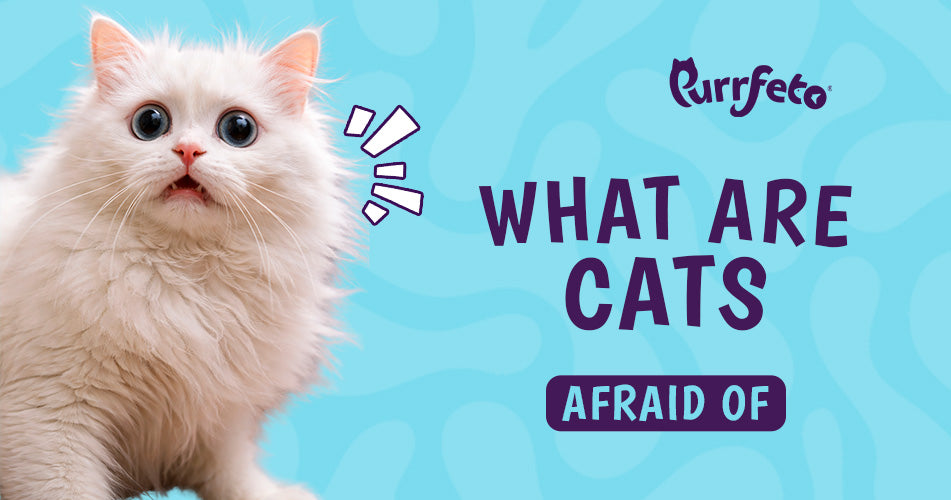
Cats depend on instinct for safety and survival, even when they live inside calm and protected homes. Their behavior still reflects patterns shaped long before domestication. That is why learning what are cats afraid of becomes important for every responsible cat parent. Fear is not a flaw in personality. It is a natural defence that helps them stay alert. When we recognise these responses early, we create stronger trust, reduce emotional strain, and nurture a deeper connection with the cats who share our space.
Daily routine plays a quiet but powerful role in emotional balance. The tone of your voice, the timing of meals, and the familiarity of surroundings all influence how secure a cat feels. Consistency brings comfort. Whether it is feeding at the same hour each day or offering meals that are gentle on digestion, small actions matter.
What Are Cats Scared Of? Understanding Feline Fear
When cats feel threatened, they go into a fight-or-flight state. Their eyes widen, their muscles tighten, and they scan for an escape. This response can be triggered by obvious things like a loud bang or less visible ones like a change in scent.
Cats also remember fear. If something once scared them, they may avoid it forever. That is why early experiences matter, and why patient repetition is key. Learning what are cats scared of is not about making a list. It is about noticing patterns and respecting their need to feel secure.
10 Common Things Cats Are Afraid Of
1. Why Are Cats Afraid of a Cucumber?
Cats are not actually afraid of cucumbers; they react because of their highly sensitive startle reflex and survival instincts. When the cucumber is placed quietly behind them, especially when they are eating, then they suddenly notice an unfamiliar object in their space and interpret it as a potential threat. This triggers a fight or attack response. Some experts also believe that the long shape may resemble a predator like a snake, which can heighten their reaction. In reality cats get scared by surprise, not by the cucumber itself.
2. Why Are Cats Afraid of Water?
Most cats avoid baths. That is because water weighs down their fur, disrupts their balance, and takes away the sense of control. So when people ask, why are cats afraid of water, the answer lies in comfort. Wet fur makes movement harder, and that is something cats instinctively dislike.
3. Loud Noises
Fireworks, blenders, pressure cookers, and vacuum cleaners all cause sharp auditory stress. Cats hear much better than humans. What sounds normal to us might feel deafening to them.
4. Strangers
Unfamiliar scents and unpredictable movement can alarm even confident cats. Visitors wearing perfume or carrying bags may appear threatening to cats who rely on routine.
5. Other Animals
Dogs, new cats, or even birds outside a window can make a cat uneasy. Their space matters. Their territory is sacred. Intrusions unsettle them deeply. If you’re bringing another cat home, it’s important to introduce them the right way to avoid stress and conflict — you can read our guide on How To Introduce A Cat To Other Cat for step-by-step tips to make the transition smoother.
6. Vet Visits
Even a routine check-up can turn into a stressful event. The unfamiliar environment, the smell of antiseptics, and handling by strangers make vet visits one of the most dreaded events for many cats
7. Sudden Movements
Fast hand gestures, falling objects, or dropped phones activate the startle response. Cats need time to process change, and quick movement disrupts that.
8. New Environments
Moving homes or even shifting furniture inside the same room causes anxiety. Cats rely on scent markers. When those disappear, so does their sense of safety.
9. Strong Smells
Bleach, vinegar, strong perfume, and even citrus can upset a cat’s natural sense of smell. They rely on their nose to understand their world, and strong odours block that ability.
10. Changes in Routine
Cats thrive on structure. A missed meal, a delayed bedtime, or an unusual guest can affect their mood. Stability is their comfort zone.
Signs Your Cat Is Feeling Afraid
Fear does not always look dramatic. Often it shows up in small signals that are easy to miss.
- Hiding under beds or behind curtains.
- Growling or hissing when approached.
- Dilated pupils and rapid tail flicking.
- Refusing food or water for a day.
These behaviours are not random. They are silent requests for safety.
How to Help a Fearful Cat Feel Safe
Fear cannot be erased overnight. But trust can be rebuilt slowly. and habits can support that journey.
- Safe zones like quiet corners, cardboard boxes, or blankets give cats a retreat space when things feel overwhelming.
- Avoid forced interaction, let them approach when ready. If they want space, ensure to give it!
- Positive reinforcement helps change behaviour. Use gentle tones, treats, and praise during calm moments.
How Diet and Routine Support Emotional Stability
Stress affects a cat significantly! Digestive discomfort, poor hydration and appetite changes often follow anxiety. That is why diet is more than nutrition. It becomes a tool for comfort as a consistent feeding schedule lowers uncertainty. Wet food becomes especially useful when a cat experiences excessive stress as it provides hydration in a gentle form.
Purrfeto Wet Cat Food with Mackerel Gravy makes meals easier to eat during anxious periods. As it provides gentle, grain- and wheat gluten-free proteins. With 87% moisture, it helps keep cats hydrated and supports urinary health, while omega-rich oils, Omega 3 & 6 fatty acids, taurine, and essential vitamins promote healthy digestion, strong immunity, and a soft, shiny coat.
Dry food has its own role to play as well. Maintaining a healthy balance between the two streamlines the overall health of your beloved cat. Purrfeto Dry Cat Food with Chicken & Salmon is made with high-quality animal protein to support strong muscles. It supports urinary health by helping reduce the risk by up to 40%, features a highly palatable recipe for fuss-free mealtimes, and helps control hairball formation for better digestive comfort and everyday well-being.
Combining wet and dry feeding helps cats feel full, nourished, and relaxed. It is a way of saying, “You are safe,” without words.
Conclusion
Fear is not something we remove. It is something we respond to, by recognizing the triggers and building a calm space around them; we help cats trust us a little more each day. From questions like why are cats afraid of a cucumber to practical concerns like vet visits, knowing your cat’s fears brings clarity. It also deepens the bond.
 Back to Blogs


