
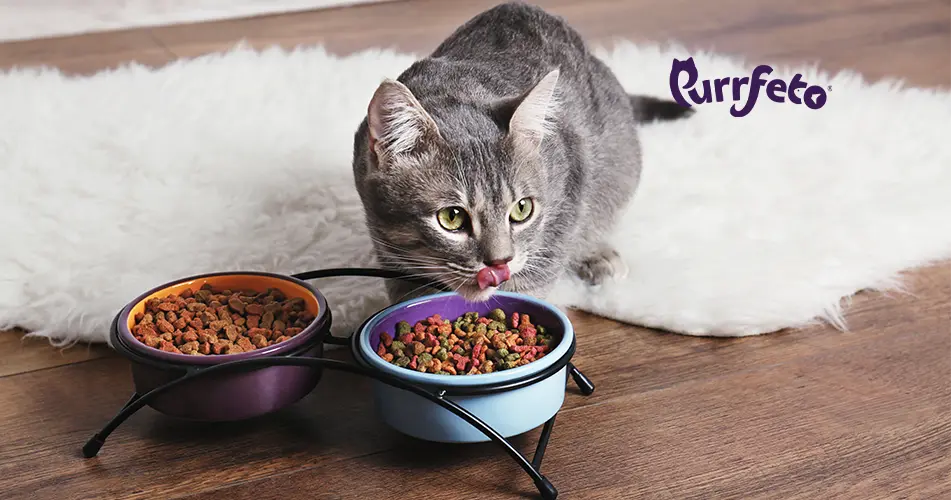
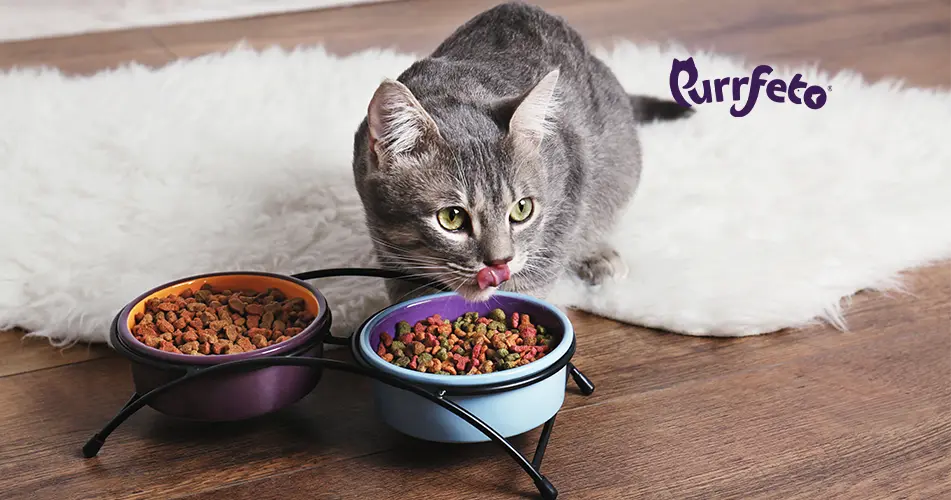
As pet parents, we spend a lot of time choosing toys, beds, and treats for our cats. But one decision impacts their health more than anything else: the food we put in their bowl every day.
Walk into any pet store or browse online, and you'll find dozens of cat food options claiming to be nutritious, natural, or vet approved. Unfortunately, not every product lives up to those promises. Many commercial food contain ingredients that add little nutritional value and, in some cases, may even affect your cat's long term health.
Understanding the cat food ingredients to avoid can help you make smarter choices and ensure your feline companion gets the nutrition they truly need.
In this guide, we'll break down the ingredients that deserve a closer look, explain how to read labels, and help Indian pet parents choose healthier food options for their cats.
Why Ingredient Quality Matters
Cats are obligate carnivores, which means their bodies are designed to thrive on animal based protein. Unlike humans and dogs, cats require nutrients that naturally occur in meat, including taurine, arachidonic acid, and certain amino acids.
When cat food relies heavily on fillers, artificial additives, or low quality ingredients, it may satisfy hunger without providing optimal nutrition.
That's why learning about cat food ingredients to avoid is one of the most important steps toward supporting your cat's health, digestion, immunity, and overall wellbeing.
Evaluate Overall Ingredient Quality
- Does this food prioritize meat?
- Are fillers limited?
- Are ingredients clearly identified?
If the answer is yes, you're likely looking at a higher quality product.
1. Artificial Preservatives
Preservatives help extend shelf life, but not all preservatives are created equal.
Some older chemical preservatives have raised concerns among pet owners and veterinarians because of their potential health risks when consumed over long periods.
Common examples include:
- BHA (Butylated Hydroxyanisole)
- BHT (Butylated Hydroxytoluene)
- Ethoxyquin
Many pet parents specifically look for food without these artificial preservatives cat food products
What to Choose Instead
Look for naturally preserved food that use:
- Mixed tocopherols (Vitamin E)
- Natural antioxidants
These options help maintain freshness while supporting a cleaner ingredient profile.
2. Excessive Fillers
Some pet foods may include fillers to increase the quantity of food, improve texture, maintain kibble structure, or reduce production costs. While certain carbohydrate sources can be useful in balanced formulas, excessive use of low-nutritional-value fillers may reduce the overall nutrient quality of the food.
Common cat food fillers to avoid include:
- Excessive corn
- Soy flour
- Low quality wheat by products
- Rice outer shells
While small amounts of carbohydrates aren't necessarily harmful, cats don't require large quantities of grains to thrive.
The reason fillers are added:
- To make more food at a lower cost
- To improve kibble shape/texture
- To increase volume
3. Generic Meat By Products
Not all by products are inherently bad. Some organ meats are actually rich in nutrients.
The problem arises when labels use vague terms such as:
- Meat meal
- Animal digest
- Poultry by product
These descriptions don't clearly identify the protein source.
What to Choose Instead
Look for named protein sources such as:
- Chicken
- Salmon
- Tuna
- Turkey
If you're searching for cat food with real meat India pet parents can trust, transparency in ingredient sourcing is a good place to start.
4. Artificial Colors and Flavors

Brightly colored kibbles may catch a pet parent's attention, but cats don't care about food color.
Artificial colors are generally added for marketing purposes rather than nutritional benefits.
Common examples include:
- Red 40
- Yellow 5
- Blue 2
Similarly, artificial flavor enhancers may mask lower quality ingredients.
What to Choose Instead
Cats respond primarily to aroma and taste rather than visual appearance. Food made with quality proteins naturally provides the flavor cats enjoy.
5. Excessive Wheat Gluten
Wheat gluten is often added to increase the protein percentage shown on pet food labels. While gluten is not inherently harmful for all cats, relying heavily on plant-based protein sources instead of high-quality animal proteins may not provide the ideal nutritional balance cats need as obligate carnivores.
Choosing the healthy cat food means finding a balanced diet that provides essential nutrients, quality protein, and supports your cat’s overall health.
Why It Matters
- Cats utilize animal proteins more efficiently than plant proteins.
- A food containing real meat as the primary ingredient is generally more aligned with a cat's natural dietary needs.
6. Added Sugars
Added sugars are not beneficial for cats and should be avoided in their daily diet. Ingredients like corn syrup, molasses, caramel, and sugar may increase taste appeal but provide no nutritional value and can contribute to unnecessary calorie intake, which may impact overall health.
7. Excessive Salt
Salt plays a role in preserving food and enhancing flavor, but excessive amounts aren't ideal.
While small quantities are generally safe, products relying heavily on sodium may not be the best choice for daily feeding.
This is particularly important for senior cats or cats with certain health conditions.
8. Unidentified Animal Fats
Healthy fats are essential for skin, coat, and energy. However, labels that simply list "animal fat" without identifying the source provide limited transparency.
Better Alternatives
Look for clearly named fats such as:
- Chicken fat
- Salmon oil
- Fish oil
These ingredients provide beneficial fatty acids and make it easier to understand exactly what your cat is consuming.
Evaluate Overall Ingredient Quality
- Does this food prioritize meat?
- Are fillers limited?
- Are ingredients clearly identified?
If the answer is yes, you're likely looking at a higher quality product.
What Does Good Cat Food Look Like?
A well balanced cat food typically contains:
- High quality animal protein
- Healthy fats
- Essential vitamins and minerals
- Natural antioxidants
- Limited unnecessary fillers
This is where ingredient transparency becomes important.
Looking for the right cat food?
Read this article for a complete guide:
Common Mistakes Pet Parents Make
Even with the best intentions, it's easy to get overwhelmed by marketing claims.
Some common mistakes include:
- Choosing food based solely on packaging.
- Ignoring ingredient lists.
- Assuming all premium brands are equal.
- Switching food too frequently.
- Focusing only on protein percentage rather than ingredient quality.
The best approach is to look beyond marketing and evaluate what's actually inside the bag.
Final Thoughts
Choosing the right cat food starts with understanding the cat food ingredients to avoid. Artificial preservatives, excessive fillers, vague meat sources, added sugars, and low quality additives may not provide the nutrition your cat deserves.
Instead, focus on food that prioritize real animal proteins, natural ingredients, and ingredient transparency.
For pet parents seeking nutritious meals, Purrfeto cat food offers recipes crafted with care, combining Mediterranean inspired ingredients, high quality proteins, and natural antioxidants. Because every cat deserves food that's made with as much love as nutrition.
A few extra minutes spent reading labels today can make a meaningful difference to your cat's health for years to come.
FAQs
1. What are the cat food ingredients to avoid?
Ingredients to avoid include artificial preservatives, excessive fillers, unclear meat sources, artificial colours, excessive salt, and unidentified animal fats.
2. How can I check if cat food is good quality?
Check the ingredient list for named protein sources, quality animal-based proteins, natural ingredients, and clear information about preservatives and additives.
3. Are meat by-products bad for cats?
Not all by-products are harmful. However, clearly mentioned protein sources like chicken, fish, or turkey provide better ingredient transparency.
4. How do I read cat food labels in India?
Look for named protein sources, check preservatives, evaluate ingredient quality, and choose food that prioritizes animal-based nutrition.
5. What ingredients should good cat food contain?
Good cat food should include high-quality animal protein, healthy fats, essential nutrients, taurine, and natural antioxidants.
 Back to Blogs


