
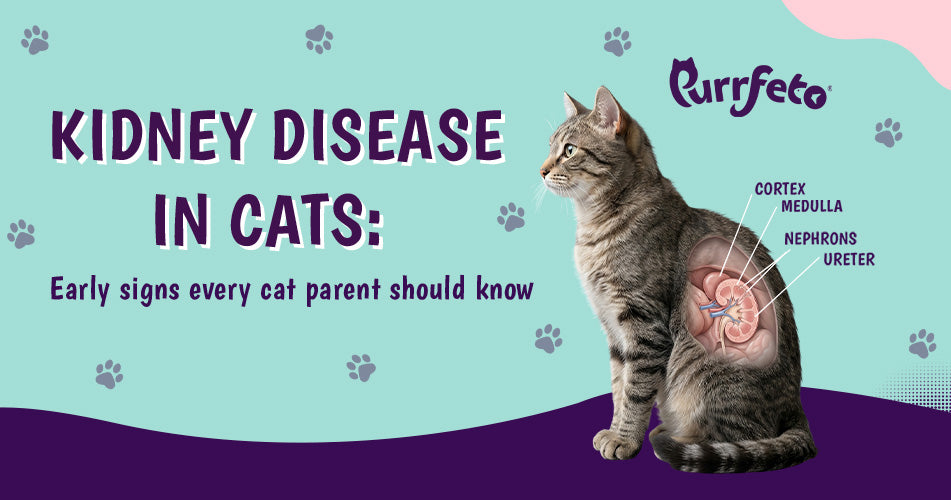
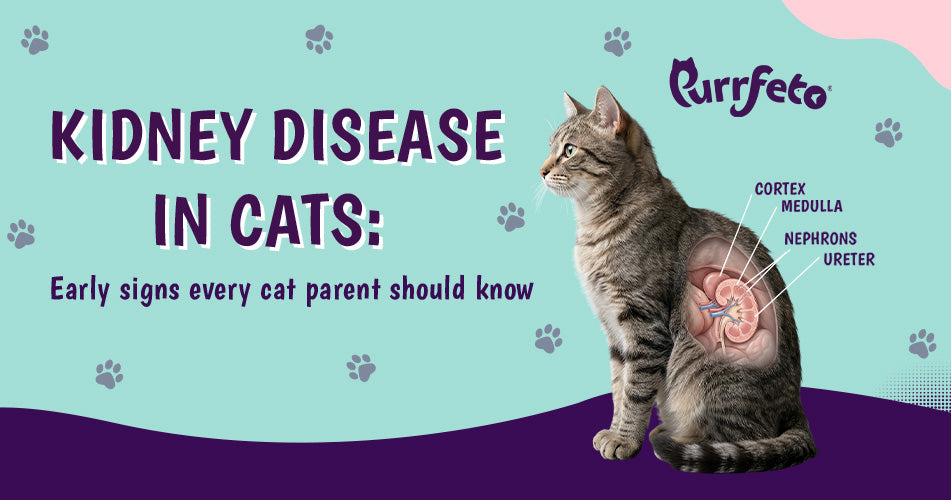
Pet lovers have started calling themselves pet parents, and for a good reason: a pet is nothing less than a child. And as parents, we strive to give them the best lives possible, but as our cats age, their health needs change. Aging in cats, just like humans, is a common cause of kidney disorders. One of the most common and daunting health conditions that pet parents face is kidney disease in cats, also called chronic kidney disease in cats (CKD in cats).
As common as it is, understanding this condition isn’t just about medical facts; it’s about preserving the quality of life for our pet children. Because cats are masters at masking pain, being proactive is the greatest gift a pet parent can provide.
What Is Kidney Disease in Cats?
Kidney disease in cats, also known as chronic kidney disease in cats (CKD in cats), occurs when the kidneys lose their ability to effectively filter waste products from the bloodstream. Think of the kidneys as a filtration system that prevents toxin buildup in the body.
CKD is a slow, progressive condition, unlike an acute kidney injury. While there’s no "cure" in the traditional sense, it is remarkably manageable. (based on insights from a feline CKD therapy outcomes study (PMC)). With early detection and a dedicated care plan, many cats with cat kidney failure live comfortable, happy lives for years after a diagnosis.
Common Causes of Kidney Disease
Why does this happen? Age is one of the driving factors for this condition, along with renal insufficiency. But there’s more than just two reasons to consider:
- Genetics: Certain breeds, like Persians and Abyssinians, are more prone to renal disease in cats. A defective gene in Persian cats called 'PDK1' is responsible for CKD. And in Abyssinians, familial renal Amyloidosis is commonly seen as a hereditary condition.
- Infections: Chronic urinary tract infections can eventually migrate to the kidneys.
- High Blood Pressure: Hypertension can both lead to kidney damage and develop as a result of cat kidney failure.
- Toxins: Ingesting lilies, antifreeze, or certain human medications can cause irreversible kidney damage.
Early Signs of Kidney Disease in Cats
Recognizing the early signs of kidney disease in cats is crucial. Cats hide discomfort naturally, but careful observation can reveal subtle clues.
- Increased Thirst & Urination: Cats may drink more water and produce larger volumes of diluted urine (cat hydration for kidneys).
- “Frequent urination or discomfort can also be related to urinary infections — learn more about signs and prevention of urinary tract infections in cats
- Decreased Appetite & Weight Loss: Subtle changes in eating habits may indicate declining kidney function.
- Lethargy & Behavioural Changes: Your cat may appear less active or playful.
Why it matters: According to research published online, by the time a cat shows obvious symptoms like vomiting or extreme weakness, their kidneys have already taken the damage. Catching it in the early stage is the key to longevity. These are also some of the earliest symptoms of kidney disease in cats.
Diagnosis and Treatment of Kidney Disease
If you notice multiple signs, visit your veterinarian. They will conduct tests and find proper solutions to your cat’s condition. The following are the procedures used:
- Blood Tests: To measure creatinine and Blood Urea Nitrogen (BUN) levels.
- Urinalysis: To check kidney function and urine concentration.
- (Symmetric Dimethylarginine) SDMA Test: A blood test that is used for early detection of CKD in animals. It is used to detect symmetric dimethylarginine, as its levels rise before creatinine does in case of CKD.
These tests help detect chronic kidney disease in cats and monitor kidney function in cats over time.
Treatment of Kidney Disease in Cats
The goal of treatment is to reduce kidney workload and manage toxin buildup. Common management strategies include:
- Fluid Therapy: Fluids are injected into the subcutaneous layer of the cat’s skin, giving them essential hydration.
- Medication: Vets may prescribe certain medications, like ACE (Angiotensin-Converting Enzyme) inhibitors, to manage blood pressure or phosphate binders. This is one way to take the strain off the kidneys during digestion.
- Nausea Control: Since toxin buildup causes "uremic poisoning," which feels like a constant hangover, anti-nausea meds can restore a cat’s desire to eat.
Nutrition Support for Cats with Kidney Issues
Proper nutrition is one of the most effective tools for managing cat kidney failure:
- Hydration: Switching to Purrfeto Mackerel in Gravy Adult Cat Wet Food increases water intake essential in managing kidney disease in cats. Wet food made of wheat gluten-free, rich in Omega fatty acids, providing 87% moisture, not only supports hydration and kidney health but may also help reduce the risk of urinary issues like FLUTD in cats
- Protein & Phosphorus Balance: Kidney-support diets use high-quality, digestible proteins in lower quantities and restricted phosphorus to prevent further kidney damage. Purrfeto Chicken & Salmon Cat Dry Food provides high-quality protein from real chicken and fish, complete and balanced daily nutrition, supports muscle strength and overall immunity, and may help reduce the risk of urinary tract issues by up to 40% when combined with proper hydration and care. Ensure the food you choose has all essential nutrients — see why taurine matters in your cat’s wet and dry food for overall kidney and heart health
By combining Wet Cat Food and Dry Cat Food, cat parents can provide nutrition support for cats with kidney disease that ensures hydration, controlled protein intake, and overall kidney-friendly nutrition—all while keeping mealtime tasty and enjoyable.
Risk Factors for Kidney Disease
While any cat can be affected, pay closer attention if your cat:
- Is over seven years old (kidney disease in older cats)
- Has a history of dental disease (bacteria can travel to kidneys)
- Has thyroid issues
Regular senior wellness checks every six months are the best defense for high-risk cats. These are key chronic kidney disease risk factors to monitor.
Conclusion
A diagnosis of kidney disease isn't a death sentence; it’s a shift in how you care for your feline friend. By staying vigilant for the early signs of kidney disease in cats and working closely with your veterinarian, you can navigate this journey with confidence. Our cats give us a lifetime of love; the least we can do is keep a watchful eye on their health, one purr at a time.
 Back to Blogs


