
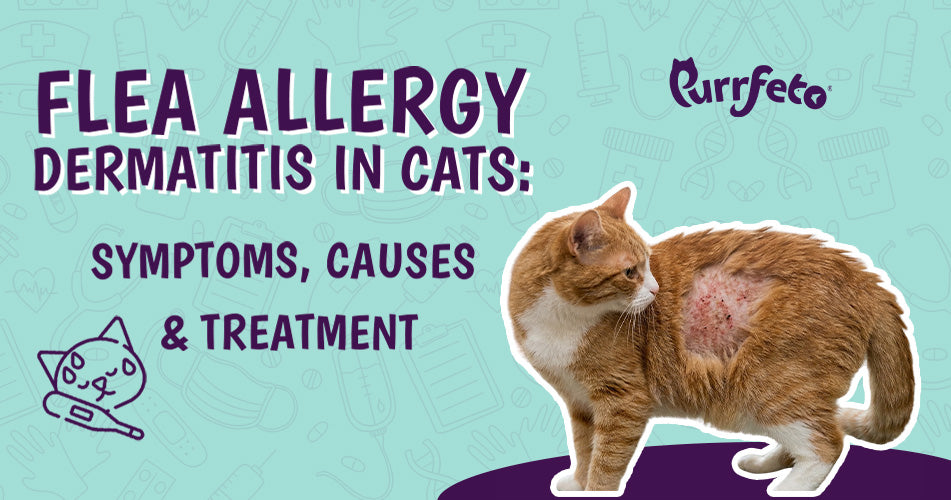
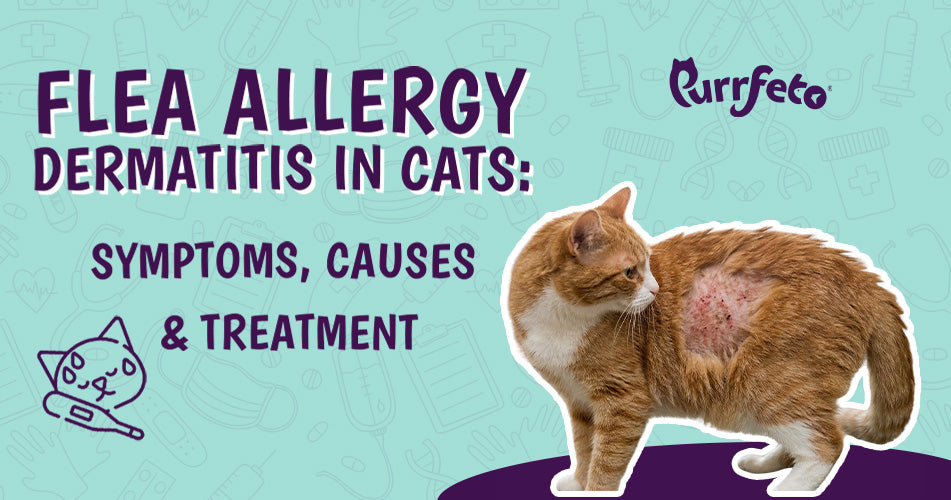
Most cat owners think fleas are just a gross nuisance. You see a bug, you treat your cat with some medicine, and it's over. But for cats, a flea is not just a pest. It is a health emergency. And when the situation gets out of control, this is called 'flea allergy dermatitis' (FAD). It is actually the most common skin allergy cats get.
If your cat has FAD, its body won’t just itch from a bite. It will completely overreact. Think of it like a person who is deathly allergic to bees. While a bee sting hurts everyone, for that one person, it is a major medical issue. For an allergic cat, one tiny bite can cause misery for weeks.
What is Flea Allergy Dermatitis in Cats?
Flea allergy dermatitis in cats is basically a super allergy to flea spit or saliva. When a flea bites a cat to drink its blood, it injects a little bit of saliva into the skin. In a normal cat, this might cause a tiny red bump.
But in a cat with FAD, the immune system goes into a full-blown panic. Even if the flea jumps off or the cat grooms it away immediately, the proteins from that saliva stay in the skin. This triggers intense itching that can last for days or even a week after the flea is long gone.
Symptoms of Flea Allergy Dermatitis in Cats: How to tell if Your Cat is Suffering
You might not even see a single flea on your cat, but you will definitely see the damage. Watch out for these signs:
- The Frantic Scratch: If your cat suddenly bolts across the room or starts biting at their back like they have been shocked, they are likely feeling that flea sting.
- Overgrooming is a common problem. Cats suffering from allergies will incessantly groom themselves, attempting to alleviate the discomfort. This behaviour frequently results in hair loss, particularly on the lower back, the abdomen, or the backs of their legs.
- Sandpaper Skin: Another telltale sign is sandpaper-like skin. When you pet your cat, if you feel a small, crusty scab, often around the neck or at the base of the tail, it's a strong indication of the issue. Doctors call this 'miliary dermatitis' because the scabs feel like little seeds.
- Red, Angry Skin: You might see hot spots or raw patches where the cat has scratched so hard that they have broken the skin.
- Flea Dirt: Take a wet white paper towel and rub it on your cat’s fur. If little black specks fall off and turn reddish brown, that is flea dirt. It is actually flea poop made of digested blood.
What Causes Flea Allergy Dermatitis in Cats?
The causes of flea allergy dermatitis in cats are simple but important to understand:
- Flea Saliva (Primary Cause): The main trigger is flea saliva. When a flea bites your cat, it injects saliva into the skin. In allergic cats, this causes a strong immune reaction leading to intense itching.
- Hypersensitive Immune Response: Some cats are more sensitive than others. Their immune system overreacts even to a tiny amount of flea saliva, making the condition much more severe.
- Even a Single Flea Bite: Unlike normal flea irritation, cats with FAD can suffer from severe itching after just one bite. The reaction can last for days, even if the flea is no longer present.
- Indoor Exposure to Fleas: Indoor cats are not completely safe. Fleas can enter your home by hitching a ride on clothes, other pets, or through windows and doors.
- Flea Life Cycle in the Environment: Flea eggs, larvae, and pupae can hide in carpets, bedding, and furniture. This leads to repeated exposure, even if you don’t see adult fleas on your cat.
Maintaining a clean environment is essential not just for preventing flea allergy dermatitis but also for reducing the risk of diseases that can spread from cats to humans, as explained in our guide on Zoonotic Diseases in Cats
Flea Allergy Dermatitis Cats: Treatment
Treating flea allergy dermatitis in cats focuses on three main goals—relieving itching, eliminating fleas, and healing the skin. Since even a single flea bite can trigger a severe reaction, treatment needs to be quick and consistent.
1. Stop the Itching
The first step is to control the intense itching and discomfort. Veterinarians may prescribe anti-inflammatory medications such as corticosteroids or other anti-itch treatments to calm the allergic reaction. This helps prevent excessive scratching and gives your cat immediate relief.
2. Eliminate Fleas Completely
Effective flea control is the most important part of treatment. Your vet may recommend fast-acting flea treatments like spot-on solutions, oral medications, or medicated shampoos that kill fleas quickly. It’s essential to remove not just adult fleas, but also eggs and larvae to break the life cycle.
3. Treat Skin Infections
Constant scratching can damage the skin, leading to bacterial or fungal infections. In such cases, your cat may need antibiotics or medicated creams to help the skin heal properly and prevent further complications.
4. Clean the Environment
Fleas don’t just live on your cat—they also hide in carpets, bedding, and furniture. Regular vacuuming, washing your cat’s bedding in hot water, and keeping your home clean are crucial steps to prevent re-infestation.
5. Follow Long-Term Prevention
Since flea allergy dermatitis can flare up from just one bite, monthly flea prevention is essential. Using vet-recommended flea control products consistently will help protect your cat from future allergic reactions.
In addition to flea control, supporting your cat’s health with essential nutrients like taurine, high-quality proteins, and Omega fatty acids is crucial. For more details, see our guide Why Taurine Matters in Cat Nutrition
Can Diet Help Cats with Skin Allergies?
Actually, yes. While food will not stop a flea from biting, a healthy diet makes the skin much tougher.
- Omega fatty acids: think of these like skin armour. Fish oils and healthy fats help repair the skin barrier so it does not get as irritated.
- High-Quality Protein (Hair Regrowth): Your cat’s fur is made of protein. Feeding high-quality meat-based nutrition helps repair damaged skin and supports faster hair regrowth.
- Hydration Support (Especially with Wet Food): Cats naturally don’t drink enough water, so moisture-rich food plays a key role in maintaining healthy skin and overall health.
How Purrfeto Cat Food Supports Skin Health
For cats prone to skin allergies, choosing the right Purrfeto cat food can make a noticeable difference:
-
Wet Cat Food Advantage:
Options like Purrfeto Ocean Fish in Gravy Adult Cat Wet Food provide up to 87% moisture, helping keep your cat hydrated while supporting skin health. It is wheat gluten-free, rich in Omega fatty acids for skin & coat health, enriched with taurine, and made with real fish proteins for better nutrition. -
Dry Cat Food Support:
Balanced options like Purrfeto Chicken and Ocean Fish Cat Dry Food provide high-quality protein from real chicken and fish, complete and balanced daily nutrition, support muscle strength and overall immunity, and may help reduce the risk of urinary tract issues by up to 40% when combined with proper hydration and care.
How to Prevent Flea Allergy Dermatitis in Cats
The best way to treat flea allergy dermatitis is to make sure the cat never gets bitten in the first place.
- Use Monthly Prevention: Use a vet-recommended flea spot-on treatment every single month. Do this even in the winter.
- Clean the House: Vacuum your carpets and wash your cat’s bedding in hot water once a week. Flea eggs love to hide in rug fibres.
- Treat All Pets: If your dog has one flea, your allergic cat is in danger. Treat every animal in the house so there is nowhere for fleas to hide.
- Check Regularly: Use a fine-tooth flea comb to brush your cat and check for any signs of tiny black specks.
Conclusion: Protecting Your Cat from FAD
Flea allergy dermatitis is tough because it only takes one bite to cause a month of scratching. But by keeping your home clean and staying consistent with flea medicine, you can keep your cat’s skin clear and their motor purring.
 Back to Blogs


