
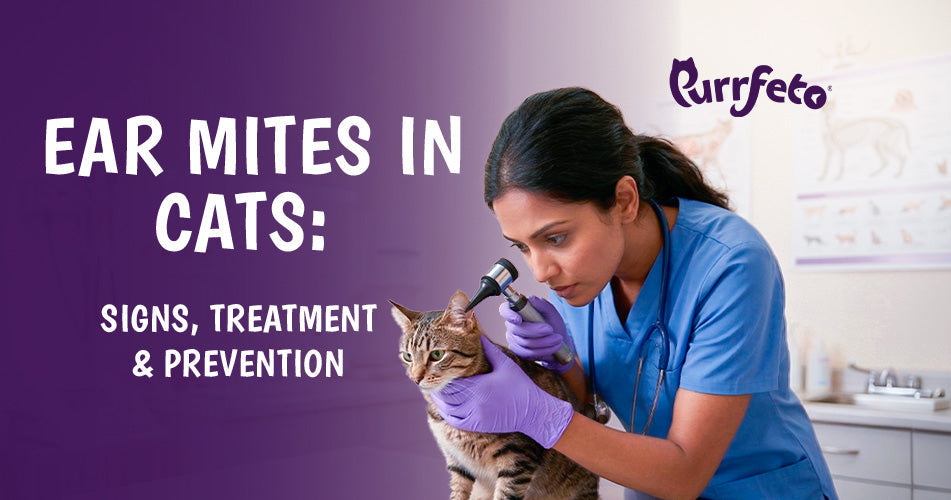
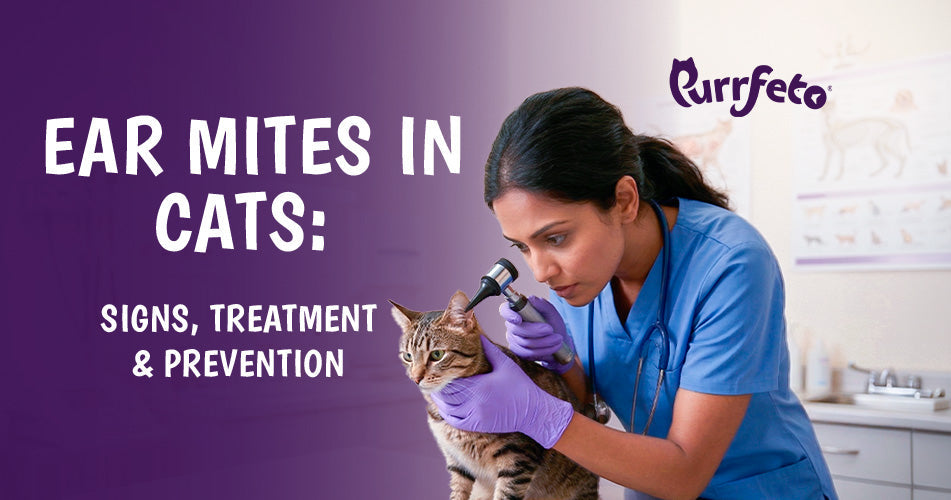
If your cat suddenly won’t stop scratching its ears or keeps shaking its head, it could be more than just irritation—it might be ear mites.
Ear mites in cats are a frustrating reality for many cat owners. These tiny, microscopic bugs, scientifically known as Otodectes cynotis, are commonly known to infect a cat's ear canal. These parasites feast on wax and dead skin. This infestation leads to severe irritation and inflammation.
The infestation is known to affect the cat in many ways, including causing infections and even ear damage. If left untreated, ear mites can quickly worsen and cause serious discomfort for your cat. If you catch it early, you can save your cat from a lot of pain.
What are ear mites in cats?
Think of ear mites as tiny, eight-legged parasites. The most common culprit is the Otodectes cynotis mite, a parasite that loves the dark, warm environment of a feline ear. These are experts at spreading, jumping from one animal to another during a quick snuggle or play session. While any cat can catch them, kittens and those who spend their days outdoors are the most frequent targets. Ear mites are especially common in multi-cat households, shelters, and environments where pets are in close contact.
Spotting the Signs of Ear Mites in Cats
You’ll likely notice something is wrong before you ever see a mite. Here is what to watch for:
- Non-Stop Scratching: If your cat is constantly digging at their ears or rubbing their head on the carpet, take note.
- The "Head Shake": Cats will shake their heads violently to try and get rid of the "tickle" inside.
- Coffee Ground Gunk: This is the clearest sign. Look for a dark, crumbly discharge that looks exactly like old coffee grounds.
- Redness: The ear flap and canal will look flushed and irritated.
- The Smell: Mite infestations often produce a distinct, unpleasant odour.
In severe cases, the ears can get so inflamed that they actually swell shut. This creates a breeding ground for bacteria, turning a simple mite problem into a nasty infection. This can make your cat extremely uncomfortable and even affect their daily behaviour, sleep, and appetite.
What Causes Ear Mites in Cats?
Most cats pick up mites through "socialising". Since these parasites are highly mobile, they move fast.
Common causes include:
- Playing with Other Pets: Just a few seconds of contact is enough for a mite to crawl over.
- The Great Outdoors: Stray cats often carry mites, and your cat can pick them up in shared spaces.
- Shared Items: While they don't live long off the host, sharing a bed or a brush can occasionally spread them.
Ear mites spread very quickly, so even one infected pet can pass them to others in the household within days. Since they are a type of parasite, understanding parasite prevention is equally important—you can read more about deworming your cat here.
How to Treat Ear Mites in Cats?
If your cat is miserable, it’s time for a vet visit. Here is the standard game plan to treat ear mites in cats:
The good news is that ear mites are highly treatable, especially when diagnosed early.
- The Deep Clean: A vet will flush out all that dark gunk. Without a clean ear, the medicine can't reach the mites.
- Mite-Killing Meds: You’ll likely get a prescription for topical drops or a "spot-on" treatment that kills the mites and their eggs.
- Healing the Infection: If your cat has scratched their skin raw, they might need antibiotics or anti-inflammatory meds to calm things down.
Can Nutrition Support Ear and Skin Health?
Proper nutrition plays an important role in supporting recovery and maintaining overall ear and skin health in cats:
Immune Support: A strong immune system helps cats fight infections linked to ear mites. Purrfeto wet cat food with mackerel in gravy, which is wheat gluten-free, rich in omega fatty acids, and contains up to 87% moisture, supports hydration and overall health. Enriched with vitamins and antioxidants, it also boosts immunity and aids faster recovery.
Skin Barrier Function: Healthy fats like Omega-3 and Omega-6 in Purrfeto dry cat food with chicken & salmon help maintain a strong skin barrier, reduce irritation, support a shiny coat, lower the risk of urinary tract disease by up to 40%, and provide taurine with essential vitamins for vision and immunity.
Healthy Coat & Skin: Protein in Purrfeto wet and dry cat food supports tissue repair, promotes a shiny coat, and maintains skin resilience, reducing the risk of recurring infections.
Does Food Play a Role?
While food alone cannot cure ear mites, proper nutrition plays an important role in recovery. A balanced diet, such as Purrfeto cat food, helps strengthen the immune system, supports a healthy skin barrier with essential fats like Omega-3, and provides high-quality protein to promote faster healing of damaged ear tissue.
Are ear mites contagious to other pets?
Absolutely. Otodectes cynotis mites are infectious. They move fast between cats, and dogs can catch them too. If you have a multi-pet household, you usually have to treat everyone at once, or the mites will just keep hopping back and forth. In fact, one untreated pet can reinfect others repeatedly, making treatment ineffective if all pets are not treated together.
Keeping Mites Away for Good
Prevention is way easier than running for a cure later:
- Monthly Prevention: Many flea and tick meds also prevent mites. Ask your vet for a "multi" product.
- Weekly Peeks: Make ear checks a part of your grooming routine. (Pro tip: A quick 30-second weekly ear check can help you catch early signs before they become serious.)
- Laundry Day: Wash your cat’s bedding in hot water frequently.
- Quarantine New Arrivals: Have a vet check any new kitten before they meet your other pets. Following proper seasonal cat care and hygiene routines can also help prevent such issues
When to see a vet?
Don't wait for signs of ear mites in cats. Consult a vet immediately if you notice:
- Bleeding or wounds inside the ears
- Strong, foul smell from the ears
- Loss of balance or dizziness
- Excessive swelling or pain
Complications if Untreated
Ignoring the problem isn't an option. Untreated mites can lead to:
- Permanent Scarring: The ear canal can become thickened and narrow.
- Aural Haematomas: This is when a blood vessel in the ear flap bursts from too much head shaking, requiring surgery.
- Hearing Loss: If the eardrum ruptures, your cat could lose their hearing.
In severe cases, delayed treatment can lead to permanent damage and long-term discomfort for your pet.
Conclusion
Ear mites in cats are a literal headache for your pet, but they are easy to fix with the right care. Keeping an eye on those "coffee ground" signs and opting for timely feline ear mite treatment can help your cat stay healthy, comfortable, and free from irritation. Your cat depends on you for their well-being, and early action can truly make all the difference.
FAQs: Ear Mites in Cats
1. What are ear mites in cats?
Ear mites are tiny, eight-legged parasites (Otodectes cynotis) that live in a cat’s ear canal, feeding on wax and dead skin. They cause irritation, itching, and can lead to infections if left untreated.
2. How can I tell if my cat has ear mites?
Common signs include constant scratching, head shaking, dark “coffee ground” ear discharge, redness, and an unpleasant odor. Severe cases may cause swelling and discomfort.
3. Are ear mites contagious?
Yes. Ear mites spread quickly between cats and can even infect dogs. In multi-pet households, all pets may need treatment to prevent reinfestation.
4. How are ear mites treated?
Treatment usually involves a vet cleaning the ears, prescribing mite-killing topical or spot-on medication, and managing any secondary infections with antibiotics or anti-inflammatory medications.
5. Can diet help my cat recover from ear mites?
Proper nutrition supports recovery. Foods like Purrfeto wet and dry cat food strengthen immunity, maintain a healthy skin barrier with Omega fatty acids, and provide high-quality protein to repair tissue and promote a shiny coat.
 Back to Blogs


