
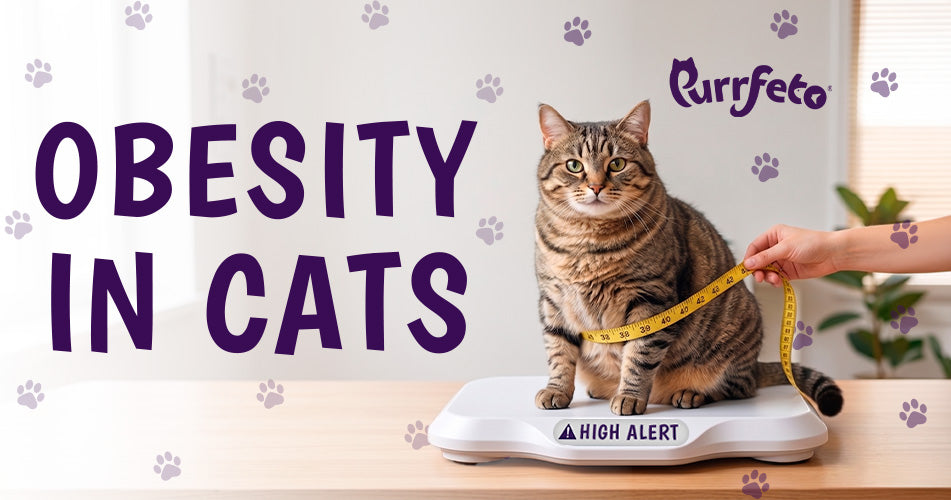
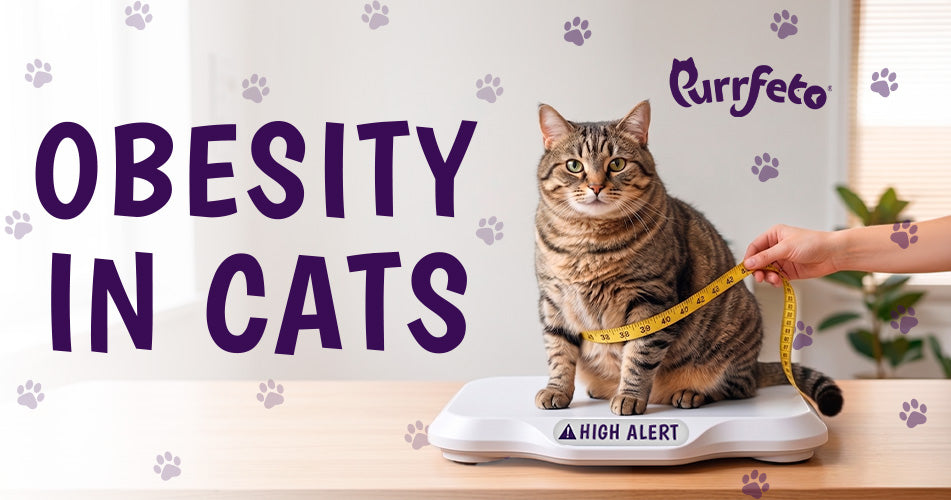
Many pet parents show their love through food, but unknowingly, every "extra treat" is creating a silent crisis. What looks like harmless chubbiness can actually be a serious health risk to your pet. Cat obesity is becoming one of the most common feline health issues globally, driven by a combination of indoor lifestyles and a lack of physical activity, leading to a rise in overweight cats.
According to a Cornell University article, around 40% of cats today fall into the 'obese' category. If you are feeding your cat those extra delights just out of emotions, here’s a blog on why you shouldn’t. Before we get into all the causes and reasons for obesity in your feline friends, let’s understand what it exactly means.
What is cat obesity?
In clinical terms, a cat is considered overweight if they are 10% to 20% above their ideal body weight. Once they surpass that 20% mark, they are classified as obese. While a "fluffy" cat might look cute, the physiological reality is far from it – cat obesity can severely impact overall health.
You can check for signs of obesity by feeling for your cat's ribs; you should be able to feel them easily with a light touch. If it takes effort for you to feel the ribs, or if your cat has lost their visible "waistline" when viewed from above, it’s time to take action and consider a proper cat weight-loss plan.
Causes of Overweight Cats
Understanding how the weight crept on is the first step toward fixing it. There are three primary culprits behind overweight cats:
1. Overfeeding & Poor Portion Control
- Free Feeding Habits: This practice involves leaving a bowl of dry food out for a cat to graze on throughout the day, which often leads to mindless snacking out of boredom rather than true hunger.
- High-Calorie Treats: Many commercial cat treats are packed with "empty calories" and flavour enhancers that make them highly addictive but nutritionally unbalanced, contributing to cat obesity.
2. Lack of Physical Activity
-
Indoor cats vs outdoor cats: Indoor cats face a unique challenge. Unlike their outdoor counterparts who hunt and patrol territories, indoor cats often spend the majority of their day lounging. Without a structured way to burn calories, the energy from their food is simply stored as fat , increasing the risk of overweight cats.
3. Poor Diet Choices
- Not all cat food is created equal. Low-quality foods often use "fillers" and excessive carbohydrates that lack balanced nutrition. These empty calories lead to weight gain without providing the satiety or muscle-building protein a cat truly needs. Choosing a healthy diet for cats means providing complete and balanced nutrition for your cat.
Health Risks Linked to Cat Obesity
The consequences of carrying extra weight are severe. Research highlights that cat obesity is a gateway to several life-threatening conditions:
- Diabetes Mellitus: Overweight cats are significantly more likely to develop insulin resistance.
- Joint Pain & Osteoarthritis: Extra weight puts immense pressure on feline joints, leading to decreased mobility and chronic pain.
- Heart Issues: The heart has to work much harder to pump blood through a larger body mass.
- Reduced Lifespan: On average, obese cats live shorter lives than those at a healthy weight.
Obesity can also increase the risk of other health concerns, including urinary issues in cats if not managed properly.
Cat Weight Loss – What Actually Works
Weight loss for cats must be gradual. Rapid weight loss in felines can lead to a dangerous liver condition called hepatic lipidosis. Here is a strategy that works:
-
Portion Control & Feeding Routine
Stop free-feeding. Move to fixed meal times (2–3 times a day). Use a kitchen scale or a standard measuring cup to ensure you are giving the exact amount recommended by your vet.
-
Increase Activity
Dust off those interactive toys! Use feather wands, laser pointers, or food puzzles that force your cat to "hunt" for their kibble. Aim for at least 15–20 minutes of active play daily.
-
Switch to a Healthy Diet for Cats
A successful, healthy diet for cats focuses on high protein and controlled fats. Protein helps maintain lean muscle mass while the body burns through fat stores. Essential nutrients like taurine play a crucial role in your cat’s diet, supporting heart health, vision, and overall well-being.
Choosing the Right Food – Why Diet Matters Most
This is where Purrfeto can make a massive difference. Transitioning to a high-quality, biologically appropriate diet is the most effective way to manage cat obesity.
1. Benefits of Wet Cat Food
Wet food is often the "secret weapon" for weight loss. Purrfeto cat food provides your cat with numerous essential nutrients, like the following:
- High Moisture: Supports 87% of hydration and helps your cat feel full.
- Easy Digestion: Formulated to be gentle on the metabolic system.
- Lean Protein Source: Our Ocean Fish Kitten Cat Food (Jelly Format) is a prime example, rich in protein to support a healthy metabolism without unnecessary fillers.
2. Benefits of Purrfeto Dry Cat Food
If your cat prefers a crunch, Purrfeto Cat Food provides balanced nutrition that supports weight management when portioned correctly. Specifically, our Chicken & Salmon dry cat food formula is designed to support muscle health, ensuring your cat loses fat, not muscle.
- Balanced Nutrition: Provides a complete nutritional profile that supports effective weight management when portioned correctly. The formula also includes cranberries to support urinary health and help lower the risk of urinary tract issues by upto 40%.
- Muscle Health Support: Specifically formulated to ensure your cat loses fat while maintaining essential muscle mass.
- Satisfying Texture: Ideal for cats that prefer a "crunch" while still receiving high-quality ingredients.
- Lean Protein Focus: Uses a blend of chicken and salmon to provide high-quality protein without unnecessary fillers.
Simple Daily Routine for a Healthy Weight
While it all might look difficult to manage at first. But there are a few precautions that one can follow, and maintain a healthy diet for cats:
- Measured Feeding: No more "eyeballing" the portions. Give your cat the necessary amount of nutrition and nothing in excess of what is actually needed.
- Playtime: Engage in 15–20 minutes of climbing or chasing daily. Physical activity is the best way to guarantee your cat stays in the pink of health.
- Regular Vet Checkups: Give your vet a visit every once in a while to keep track of your pet’s health. Monitor progress and adjust caloric intake as the weight drops.
Final Thoughts
Addressing cat weight loss is one of the greatest gifts you can give your pet. It requires discipline and a commitment to a healthy food for cats, but the payoff is worth it. A healthy cat is not just active; they are happier, more comfortable, and likely to be by your side for many more years to come.
FAQs
1. How do I know if my cat is overweight or obese?
You can check by feeling your cat’s ribs—if you can’t feel them easily or your cat has no visible waistline, they may be overweight. A vet can confirm cat obesity based on body weight and condition.
2. What causes cat obesity?
The most common causes of cat obesity include overfeeding, lack of physical activity, and poor diet choices. Indoor cats are especially prone to becoming overweight cats due to limited movement.
3. What is the best way for cat weight loss?
The best approach to cat weight loss includes portion control, regular exercise, and switching to a healthy diet for cats that is high in protein and balanced in nutrients.
4. Is wet or dry food better for overweight cats?
Both can work if portioned correctly. Wet cat food helps with hydration and can make cats feel fuller, while dry food can support controlled feeding. A combination of both often supports a balanced healthy diet for cats.
5. How long does it take for an overweight cat to lose weight?
Cat weight loss should be gradual and safe. Most cats take several weeks to months to reach a healthy weight, depending on their starting condition and diet plan. Rapid weight loss should always be avoided.
 Back to Blogs


