
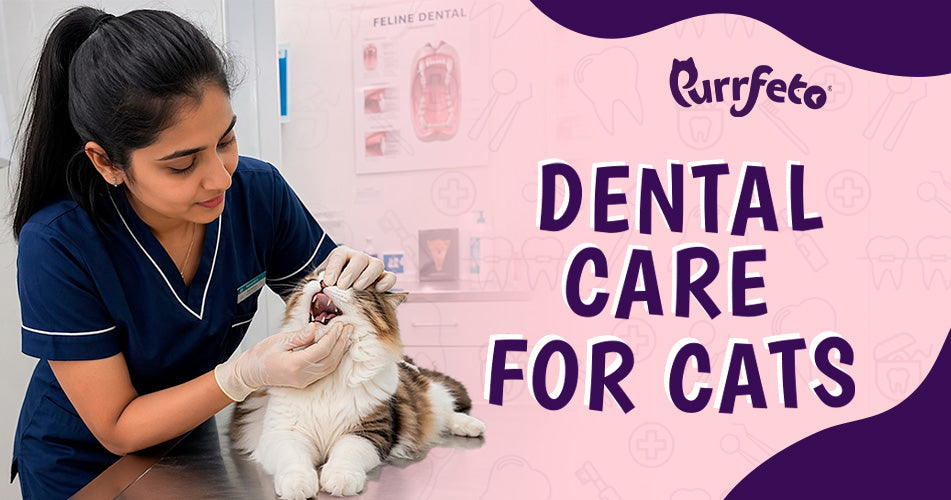
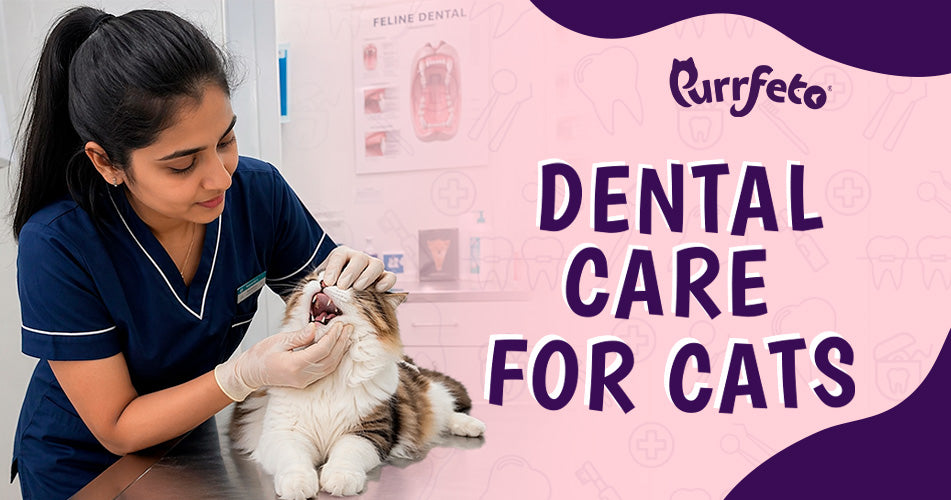
Cat dental care is one of the most overlooked aspects of feline health. When it comes to cat care, we often pay due attention to their silky fur, their weight, or the quality of the kibble, but there is one area that remains largely invisible until it becomes a serious concern. Cats are known to mask pain, and dental issues often go unnoticed until they become severe, leading to unnecessary suffering and expensive vet bills.
Taking a proactive approach to your cat’s oral health can help it live a better life. This guide breaks down everything you need to know about keeping those pearly whites in top shape.
Why Cat Teeth Care is Often Ignored
Most pet parents are focused on the outer appearance of their pet but often ignore checking their cat's mouth. Unlike dogs, who might pant or lick your face, a cat's mouth stays closed most of the day.
- The "Silent" Sufferers: Cats evolve to hide pain to avoid appearing vulnerable to predators. By the time a cat stops eating due to mouth pain, the dental disease is usually advanced.
- Lack of Awareness: Many owners assume that "cat breath" is normal. In reality, persistent bad breath is often the first sign of bacterial overgrowth. It is also a definitive sign of poor cat oral health.
Common Dental Problems in Cats
Understanding what you’re looking for is the first step in prevention.
1. Gingivitis in Cats
The inflammation of the gums is called gingivitis. If you lift your cat’s lip and see a thin, bright red line where the teeth meet the gums, that is gingivitis. Gingivitis in cats is one of the most common early-stage dental issues. In the later stages of this disease, the gums may swell and become sensitive.

2. Feline Gingivitis & Periodontitis
An early, often irreversible stage of the disease is called 'feline gingivitis'. However, if left untreated, it progresses to periodontitis. In such cases, the tissues supporting the teeth are destroyed, leading to tooth loss and potential systemic infections affecting the heart or kidneys. Plaque in cats is a major cause of long-term dental disease.
3. Tartar & Plaque Build-Up
Just like humans, cats also develop a sticky film of bacteria called 'plaque'. If not brushed away, it mixes with minerals in saliva to form tartar (calculus). This hard, yellow, or brown substance can only be removed by a professional veterinary cleaning.
Signs Your Cat Has Dental Issues
Cats cannot express pain clearly, so pet parents must watch for signs. You will have to watch for these "red flags":
- Bad Breath (Halitosis): A strong, unpleasant odour is not normal.
- Difficulty Eating: Dropping food, chewing on one side of the mouth, or crying out while eating.
- Drooling: Excessive salivation, sometimes tinged with blood.
- Pawing activity: Frequent pawing at the mouth or face.
How to Brush Your Cat’s Teeth (Step-by-Step)
Brushing is the "gold standard" for dental care. Brushing your cat’s teeth is the most effective method for cat teeth cleaning and plaque removal. While it sounds daunting, most cats can be trained to accept it.
Step 1: Get the Right Tools: Never use human toothpaste (it contains fluoride and xylitol, which are toxic to cats). Use a cat-specific toothbrush or a finger brush and flavoured feline toothpaste (poultry or seafood flavours work best).
Step 2: Introduce toothpaste slowly: For the first week, simply let your cat lick the toothpaste off your finger. Associate it with a positive experience.
Step 3: Massage gums gently: Gently rub your finger along their gums to get them used to the sensation.
Step 4: Start brushing teeth. Once they are comfortable, introduce the brush. Focus on the outer surfaces of the teeth where plaque accumulates most.
Step 5: Build a routine: Aim for at least three times a week, though daily is ideal. Always give them complete nutrition with Purrfeto!
Role of Diet in Cat Dental Care
What your cat eats plays a dual role in their oral health. Nutrition affects the strength of the teeth and the environment of the mouth.
-
Dry Food Benefits: High-quality dry kibble provides a mechanical "scrubbing" action. As the cat bites down, the crunchy texture helps scrape away soft plaque before it hardens into tartar. Dry cat food helps reduce plaque in cats due to its crunchy texture.
- Wet Food Balance: While wet food doesn't provide the same scrubbing action, it is essential for hydration. A hydrated mouth produces healthy saliva, which is the body’s natural defense against oral bacteria.
Best Food Choices for Dental Health
Choosing the right brand is half the battle. Purrfeto offers specialised formulas designed to support your cat from the inside out.
Purrfeto Dry Cat Food
Our dry recipes, featuring Chicken & Ocean fish and Chicken & Rice, are formulated with a specific kibble density. The texture is made specifically in a way that it provides mechanical cleaning action that reduces plaque and tartar build-up. It also delivers the right amount of high-quality protein (minimum 28%) your cat needs for strong muscles and a robust immune system.
Beyond dental health, these formulas are a complete nutritional powerhouse:
- Urinary Health: Infused with cranberries to help reduce UTD risk by up to 40%.
- Digestive Support: Contains psyllium husk for smooth digestion and effective hairball control.
- Skin & Coat: Enriched with Omega-3 and Omega-6 fatty acids (fish oil) for a visible shine and reduced shedding.
- Vitality: Packed with 1000 mg of taurine for heart and vision health, along with essential vitamins A, D3, and E.
Purrfeto Wet Cat Food
For cats already experiencing sensitive gums or early-stage gingivitis, Purrfeto Wet Cat Food is a saviour. It is easy to chew, highly palatable, and ensures your cat stays hydrated, which is crucial for preventing the mouth from becoming a breeding ground for bacteria. Its soft texture provides necessary relief for cats with oral discomfort while maintaining the high-quality protein intake required for overall vitality.
Dental Treats for Cats – Do They Work
The short answer: Yes, but with a caveat. Dental treats are a fantastic supplement to brushing, not a replacement. Dental treats for cats can help reduce plaque, but should not replace brushing. Look for treats that are specifically VOHC (Veterinary Oral Health Council) accepted. These treats work by using enzymes to break down plaque or by having a texture that "brushes" the teeth as the cat chews. They are a great way to reward your cat for a successful brushing session!
Preventive Care Routine
A healthy mouth requires a multi-pronged approach:
- Weekly Brushing: This is your primary defence.
- Professional Vet Checkups: At least once a year, your vet should perform a thorough oral exam. Sometimes, a professional cleaning under anaesthesia is necessary to reach under the gum line.
- A Balanced Diet: Feed a mix of Purrfeto dry and wet foods to get the benefits of both mechanical cleaning and superior hydration.
Following a consistent cat dental care routine can prevent serious oral diseases.
Final Thoughts
Our cats rely on us for every aspect of their well-being, especially the parts they can't manage themselves. Dental care isn't just about avoiding "stinky breath"—it’s about preventing chronic pain and systemic disease. By spending just five minutes a week on oral hygiene and choosing the right nutrition, you are adding years of comfort to your cat’s life.
Remember: A pain-free mouth means a happier, more playful cat. Be proactive today so they can keep purring tomorrow.
FAQs
1. How often should I brush my cat’s teeth?
Regular brushing is essential for good cat dental care. Ideally, you should brush your cat’s teeth daily, but even 2–3 times a week can help reduce plaque and prevent dental issues.
2. What happens if gingivitis in cats is untreated?
If gingivitis in cats is left untreated, it can progress to periodontitis, leading to tooth loss, pain, and even infections that may affect vital organs.
3. Are dental treats for cats effective?
Dental treats for cats can help reduce plaque and tartar buildup, but they should be used as a supplement alongside brushing, not as a replacement.
4. Can cats live with dental disease?
Cats may continue to eat and behave normally despite dental disease, but it can cause chronic pain and negatively impact their overall health and quality of life.
5. What is the best way to maintain cat dental care at home?
A combination of regular brushing, a balanced diet (including dry cat food for plaque control), and occasional dental treats helps maintain good oral hygiene in cats.
 Back to Blogs


