
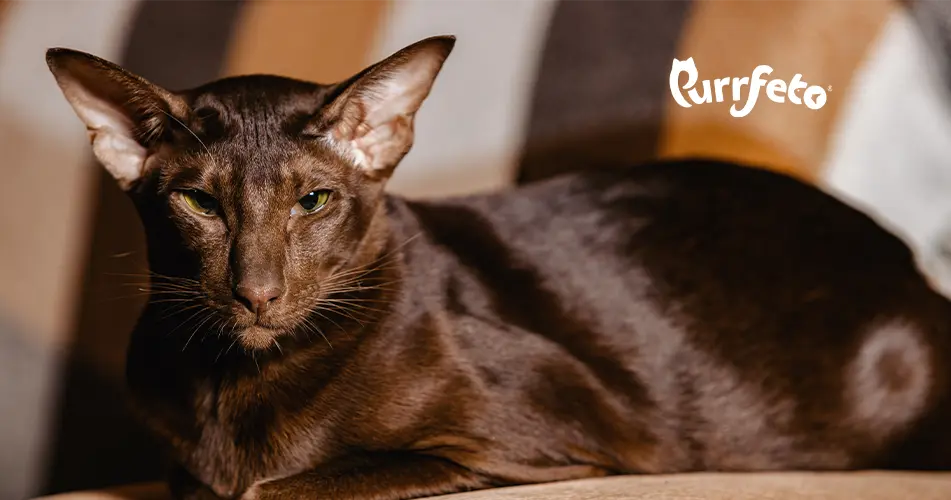
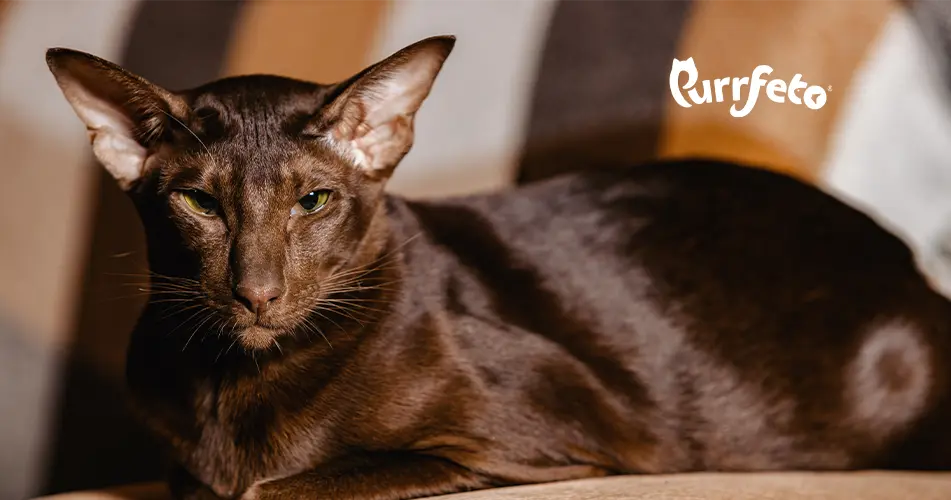
A cat’s coat is more than just a beautiful feature—it reflects their overall health and well-being. When a cat’s fur is soft, shiny, and smooth, it often signals that they are receiving proper nutrition and care. However, dullness, shedding, or dryness can indicate underlying issues. Understanding how to maintain a healthy coat helps pet parents ensure their feline companions feel as good as they look.
Why Nutrition Affects Your Cat’s Coat
A cat’s coat health begins from within, making nutrition one of the most important factors in maintaining shine and softness. The right balance of nutrients not only enhances appearance but also strengthens skin health and overall well-being.
Role of Diet in Skin and Hair Health
Nutrition plays a critical role in maintaining a cat’s skin and coat. High-quality protein, essential fats, and balanced vitamins directly contribute to fur strength and shine. Cats thrive on diets that mimic their natural nutritional needs, making it important to choose food that supports both internal and external health.
Link Between Poor Nutrition and Coat Issues
When a cat’s diet lacks essential nutrients, it often shows up in their coat. Dry skin, excessive shedding, and a rough texture are common signs of poor nutrition. Feeding balanced meals like Purrfeto cat food helps address these issues by providing complete and targeted nourishment.
Key Nutrients for a Glossy Coat
Certain nutrients are essential for maintaining a healthy and glossy coat:
- Protein: Supports hair growth and repair
- Omega-3 & Omega-6 fatty acids: Promote shine and reduce inflammation
- Vitamins (A, E, Biotin): Improve skin health and coat texture
- Zinc: Helps prevent dryness and flakiness
A diet enriched with these nutrients ensures that cats maintain a naturally radiant coat over time.
Hydration and Coat Health
Importance of Water for Skin and Hair for Cat
Hydration is often overlooked but is crucial for skin elasticity and coat softness. Dehydration can lead to dry, brittle fur and increased shedding.
Veterinary experts often emphasize that proper hydration plays a key role in preventing common cat health concerns—something every cat owner should be aware of.
How Wet and Dry Cat Food Support Coat Health
Incorporating both wet and dry food can help maintain hydration and balanced nutrition in cats. Wet food plays a crucial role in increasing daily water intake, which directly supports skin hydration and helps prevent dryness or flakiness in the coat. For instance, Purrfeto Adult Wet Cat Food with Mackerel in Gravy offers up to 87%, helping maintain optimal hydration levels while supporting urinary health- an important factor often linked to overall coat condition.
On the other hand, Purrfeto Adult Dry Cat Food with Chicken & Salmon provides concentrated nutrition, supports muscle health, and contributes to better dental hygiene by reducing plaque buildup. Additionally, ingredients like cranberries are often included to support urinary tract health and may help reduce the risk of common urinary issues in cats by up to 40%, while also helping prevent hairball formation.
A thoughtful combination of both ensures that cats receive complete nourishment—supporting not just coat shine, but also long-term health and well-being.
Balancing Hydration and Nutrition for Cats
- Always provide fresh, clean water and change it regularly
- Include moisture-rich meals to support daily hydration and skin health
- Maintain a balanced diet by combining different food types for complete nutrition
- Place multiple water bowls around the house to encourage frequent drinking
- Consider pet water fountains, as running water often attracts cats
- Monitor water intake, especially during hot weather or seasonal changes
Life Stage & Other Factors
A cat’s coat is influenced not just by diet, but also by various life stages and external factors that affect overall skin and fur health over time.
How Age, Seasonal Changes, and Life Events Affect the Coat
A cat’s coat changes throughout their life. Kittens may have softer fur, while older cats may experience thinning or dryness. Seasonal shedding is also natural, especially during warmer months. Stress, illness, or dietary changes can also impact coat quality.
Breed-Specific Considerations
Different breeds have unique coat needs. Long-haired cats require more grooming and nutrition support, while short-haired breeds may need less maintenance but still benefit from nutrient-rich diets.
Environmental Influences
Indoor cats may experience less environmental stress but can still suffer from dryness due to air conditioning. Outdoor cats may face dust, parasites, and weather-related coat damage. A balanced and nutritious diet helps support overall health and protects against these external factors.
Since nutritional needs evolve with age, understanding what to feed kittens vs adult cats can significantly impact their coat quality over time.
Practical Feeding Tips for a Shiny Coat
1. Choosing High-Quality Protein Sources
Cats are obligate carnivores, so their diet should focus on high-quality animal protein. Foods rich in fish or chicken support strong and healthy fur growth.
2. Including Omega-3s Naturally
Fish-based diets are excellent sources of omega fatty acids, which help improve coat shine and support overall skin health.
3. Avoiding Low-Quality Fillers
Low-quality fillers can reduce nutritional value and negatively impact coat health. Choosing high-quality, well-balanced meals ensures better nutrient absorption without unnecessary additives.
4. Supplements: When and How to Use Them Safely
While supplements can help, they should only be used when necessary and under veterinary guidance. A well-balanced diet often eliminates the need for additional supplementation.
Signs of a Healthy Coat
A healthy cat’s coat typically shows:
- Natural shine and smooth texture
- Minimal shedding
- No dandruff or flakes
- Soft and tangle-free fur
These signs indicate that the cat is receiving proper nutrition and care.
Conclusion
A shiny, healthy coat is not just about grooming - it is deeply connected to a cat’s nutrition, hydration, and overall lifestyle. By choosing high-quality food options like Purrfeto, pet parents can ensure their cats receive the essential nutrients needed for optimal coat health. Small, consistent efforts in diet and care can make a noticeable difference, helping cats look vibrant and feel their best every day.
FAQs
1. What makes a cat’s coat shiny?
A balanced diet rich in protein, omega fatty acids, and proper hydration contributes to a shiny coat.
2. Is wet food better for coat health?
Wet food helps improve hydration, which directly impacts skin and coat health. Combining it with dry food provides balanced nutrition.
3. How often should a cat be fed for a healthy coat?
Consistent feeding schedules with high-quality, well-balanced food help maintain overall health and coat quality.
4. Can a poor diet cause hair loss in cats?
Yes, nutritional deficiencies can lead to excessive shedding, dullness, and even hair loss.
5. Do supplements improve coat quality?
They can help in certain cases, but a complete and balanced diet usually provides sufficient nutrients for healthy skin and coat.
 Back to Blogs


