
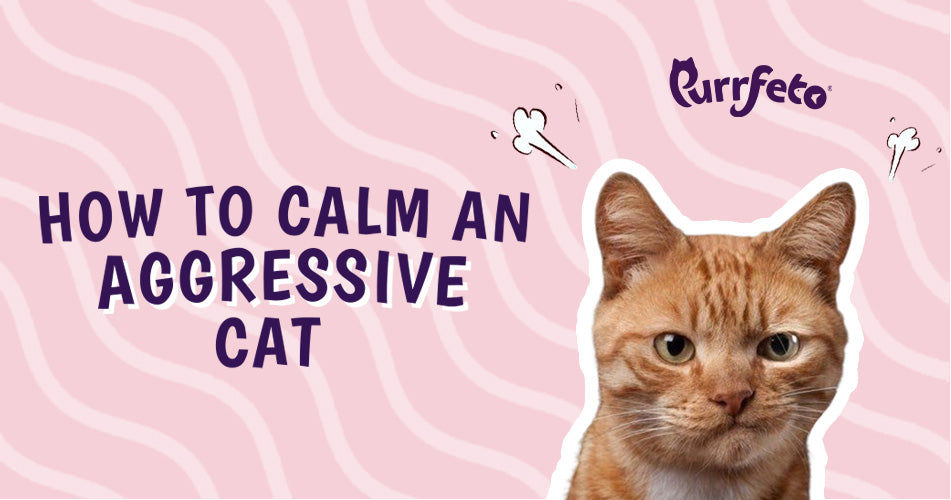
A peaceful home can quickly turn stressful when a cat suddenly hisses, scratches, or attacks another pet. Aggressive behavior in cats is a common issue that can concern both new and experienced cat owners. While it may seem alarming, understanding the reasons behind aggression can help prevent conflicts and keep everyone safe.
This guide explains why cats show aggression, the different types of aggressive behavior, and practical methods on how to calm an aggressive cat. By implementing safe techniques, environmental enrichment, and patience, owners can restore harmony at home.
Understanding Cat Aggression
Aggression is a natural behavior for cats, often used to communicate discomfort, fear, or dominance. However, repeated or intense aggression indicates that something may be wrong in the cat’s environment or health.
Types of Aggression
-
Fear-based aggression: Hiding, hissing, or sudden lunges when the cat feels threatened.
-
Territorial aggression: Common in multi-cat and multi-pet households when cats compete for space, territory, or resources.
-
Redirected aggression: The cat reacts aggressively to one stimulus (e.g., outdoor cat) by attacking another nearby pet or human.
-
Pain-induced aggression: Injuries or illnesses can make even the calmest cat irritable.
Signs to Watch For Aggression Level
Growling, flattened ears, tail flicking, swatting, biting, and scratching are common indicators of aggressive behavior in cats. Recognizing these early helps prevent escalation.
Common Causes of Cat Fighting
Understanding triggers helps prevent fights and stress for both cats and owners.
-
Territorial disputes: Cats are highly territorial and may fight to claim or defend areas.
-
New pets or household members: Introducing new pets or members without gradual steps can lead to stress and cause house cats fighting.
-
Environmental stress: Moving homes, rearranging furniture, or loud noises can cause tension.
-
Health issues: Pain or discomfort may trigger aggression unexpectedly.
Awareness of these factors allows owners to intervene before conflicts escalate.
Steps to Calm an Aggressive Cat
Stay Calm and Safe
Avoid yelling or punishment, which increases fear. Provide a safe space for the cat to retreat and use protective barriers if necessary.
Identify and Remove Triggers
Observe situations that provoke aggression, such as strangers, other pets, or loud noises. Gradual desensitization using positive reinforcement—treats and calm praise—can help the cat adjust.
Use Pheromone Diffusers:
Pheromone diffusers release synthetic calming pheromones that mimic natural feline facial pheromones, helping cats feel safe and secure. Regular use can reduce stress, minimize aggressive behavior, and improve overall harmony in multi-cat households.
Avoid Picking Up an Angry Cat:
Physically restraining or picking up a cat showing signs of anger or fear can escalate aggression, cause injury, and damage trust. Instead, allow the cat space to calm down, using positive reinforcement to encourage relaxed behavior.
Provide Environmental Enrichment
Cats benefit from stimulation. Offer scratching posts, toys, climbing shelves, and perches. Ensure enough food bowls, litter boxes, and resting areas for multiple cats. Feeding a high-quality diet like Purrfeto Cat Food supports overall health and reducing the risk of FLUTD by up to 40%.
Gentle Interaction Techniques
Avoid direct eye contact, which may be perceived as threatening. Use slow blinking to convey calmness, and reward relaxed behavior with petting or treats.
When to Seek Professional Help
Sudden or intense aggression may indicate underlying illness. Consult a veterinarian or certified cat behaviorist to explore options like behavioral therapy. For bites or scratches, proper cat bites treatment guidance from professionals is essential.
Prevention Tips for Cat Aggression
-
Provide regular mental and physical stimulation.
-
Introduce new cats gradually using scent swapping and controlled meetings.
-
Reinforce calm and positive behaviors instead of punishing aggression.
-
Maintain routine vet check-ups to catch health issues early.
Conclusion
By recognizing triggers, providing enrichment, and handling cats gently, aggression can often be managed effectively. Patience and positive interaction create a safe, harmonious home. For optimal feline health and nutrition, choose Purrfeto and maintain a supportive environment.
FAQ: Managing Aggressive Cats
Q1. How can I tell if my cat is stressed or aggressive?
Signs include hissing, growling, swishing tail, flattened ears, and avoidance. Observing these early helps prevent fights and stress.
Q2. Can aggression be reduced in multi-cat households?
Yes, providing enough resources, safe spaces, gradual introductions, and enrichment activities can significantly reduce aggression between cats.
Q3. Are there products that help calm cats?
Pheromone diffusers, interactive toys, and high-quality diets like Purrfeto can help reduce stress, support overall health, and minimize aggression.
Q4. Is it safe to pick up an angry cat?
No. Picking up a stressed or aggressive cat can escalate aggression. Always allow the cat space to calm down before gentle interaction.
 Back to Blogs


