
Keeping your cat active is one of the best things you can do for their overall health and happiness. Just like humans, cats need regular movement to stay physically strong and mentally stimulated. Whether your pet spends most of the day indoors or enjoys exploring around the house, adding a simple cat exercise routine can help prevent boredom, unhealthy weight gain, and destructive behavior. A few minutes of daily activity can go a long way in improving your cat’s mood, energy, and long-term cat fitness.
Rewarding active cats with nutritious wet and dry cat food can also help maintain healthy energy levels and support overall wellness.
Why Is Cat Exercise Important
Regular movement plays a major role in maintaining your cat’s health. Exercise will help burn extra calories, maintain a healthy weight, and support muscle strength and joint health. This will also keep their minds active and engaged.
Without enough activity, cats can easily become overweight or bored. Inactive cats may also develop behavioral issues like scratching furniture, excessive meowing, or aggression. Daily cat exercise helps healthily release built-up energy while improving overall cat fitness. This is especially important for indoor cats, as they do not naturally roam or hunt like outdoor cats do.
Adding interactive play sessions along with balanced nutrition can further improve your cat’s overall health and activity levels.
Indoor Cat Exercise: Why It Matters
Indoor cats often live safer lives, but they also tend to move less. Since they have limited space and fewer opportunities to climb, chase, or explore, indoor cat exercise becomes essential.
Many indoor cats spend long hours sleeping or lounging around the house. Over time, this lack of movement can lead to weight gain, low energy, and boredom-related behavior. Creating structured play routines gives your cat a healthy outlet for their natural instincts. Simple changes like interactive toys, climbing shelves, or short play sessions can significantly improve cat fitness and help indoor cats stay active.
Cat parents can also explore helpful cat care tips and wellness guides to create a healthier indoor environment for their pets.
Fun Activities for Cats at Home
Cats naturally enjoy activities that mimic hunting. The best fun activities for cats are usually simple, interactive, and easy to repeat every day.
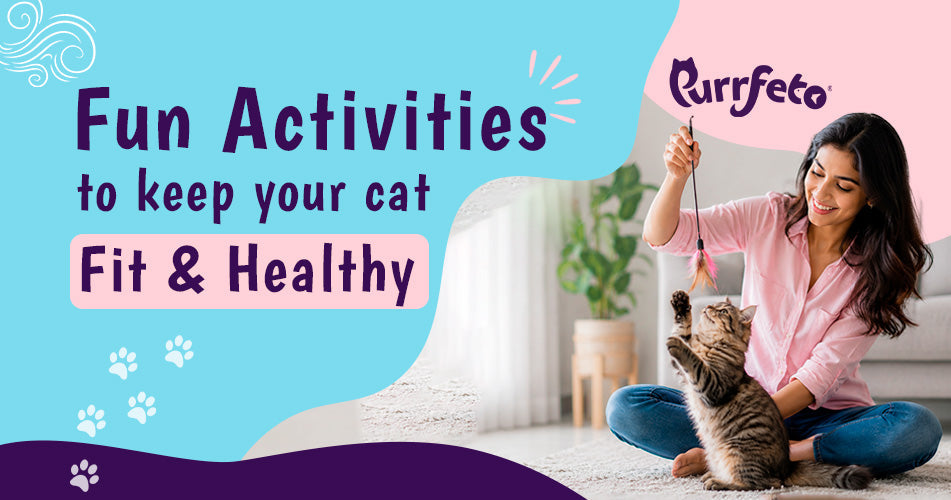
You can encourage movement by tossing small toys across the room, using feather wands, or creating obstacle paths with boxes and tunnels. Many cats also enjoy climbing cat trees or jumping between elevated spaces. Short play sessions work better than long ones. Spending 10–15 minutes a few times a day on indoor cat exercise keeps your cat interested without overwhelming them.
Treat-hunting games and puzzle feeders can also make playtime more mentally stimulating for indoor cats.
Including moisture-rich wet cat food like ocean platter jelly as part of a post-play routine may help support hydration and energy levels in active kittens. With up to 87.5% moisture, such recipes can help maintain better hydration, especially for indoor cats that may not drink enough water regularly. Options made with ocean fish and enriched with taurine and Omega 3 & 6 fatty acids can contribute to healthy vision, brain development, immunity, and coat health. Grain and wheat gluten free formulas may also be gentler for some cats, while soft jelly-based textures are easier to consume after regular indoor cat exercise sessions.
Games to Play With Cats
There are plenty of game options you can play with your furry friend that provide both mental and physical stimulation.
Chase games are always popular. Move a feather toy or string around the room to trigger your cat’s hunting instincts. Playing hide & seek with them is another fun game option where treats and toys are hidden around the house for your cat to find.
Laser pointers is also a good option, as it can encourage quick movement and jumping. Rotating between different fun activities for cats helps prevent boredom and keeps playtime exciting.
Puzzle toys are another excellent option because they combine mental stimulation with physical movement.
How to Keep Cats Active Daily
If you are wondering how to keep cats active, consistency is key. Building a routine helps cats stay physically engaged every day. Set aside time for play in the morning or evening when cats are naturally more energetic. Place scratching posts, climbing shelves, and toys in different parts of the home to encourage movement.
Food-based activities can also help. Treat puzzles or slow feeders make cats work for their meals, adding extra cat exercise to their daily routine.
Protein-rich dry cat food made with ingredients like chicken and ocean fish can fit well into an active indoor routine by supporting energy levels and overall cat fitness. Ingredients such as cranberries may also help support urinary tract health, while fibre-rich formulas can help control hairball formation in indoor cats. Crunchy textures may additionally support better chewing habits, and highly palatable meals are often easier for cats to enjoy consistently as part of their daily routine.
Cat Fitness: Building a Healthy Routine
Good cat exercise combines physical movement with mental stimulation. Every cat has different energy levels, so it is important to adjust activities based on age, personality, and health.
Kittens usually need more active play, while older cats may prefer gentler movement. The key is maintaining consistency. Even a few minutes of indoor cat exercise every day can improve mobility, mood, and overall health.
Monitoring your cat’s weight, activity levels, and behavior can help you understand whether their routine is working effectively.
Tips to Make Exercise More Engaging
Keeping playtime interesting helps cats stay motivated. Interactive toys that move unpredictably often grab their attention better than stationary toys. Try scheduling play sessions during dawn or evening hours when cats are naturally active. Reward-based play using treats or praise can also encourage participation. To understand how to keep cats active long-term, focus on variety. Rotate toys regularly, rearrange climbing areas, and introduce new activities occasionally to keep the environment stimulating.
Conclusion
Regular cat exercise is essential for keeping your pet healthy, active, and mentally happy. Since indoor cats have fewer opportunities for natural movement, creating structured routines becomes even more important. From interactive toys to simple daily games, small efforts can greatly improve your cat’s fitness and overall well-being. Consistency, variety, and short daily play sessions can help your cat stay healthy for years to come.
FAQs
1. How much exercise does an indoor cat need daily?
Most indoor cats benefit from at least 20–30 minutes of daily cat exercise divided into short play sessions throughout the day. Regular activity helps support healthy weight management and overall cat fitness.
2. What are the best indoor activities for cats?
Some of the best indoor cat exercise activities include feather wand games, climbing cat trees, puzzle feeders, laser pointer games, and treat-hunting activities that keep cats mentally and physically active.
3. How can cat owners keep indoor cats active?
Cat owners can keep indoor cats active by creating structured play routines, rotating toys regularly, using climbing shelves, and encouraging movement through interactive games and food puzzles.
4. Why is exercise important for cats?
Regular cat exercise helps maintain muscle strength, supports joint health, prevents boredom, and reduces the risk of obesity and behavioral issues in indoor cats.
5. Can food-based activities help improve cat fitness?
Yes, food-based activities like puzzle feeders and treat games can encourage movement and mental stimulation while helping improve overall cat fitness and daily activity levels.
 Back to Blogs


