
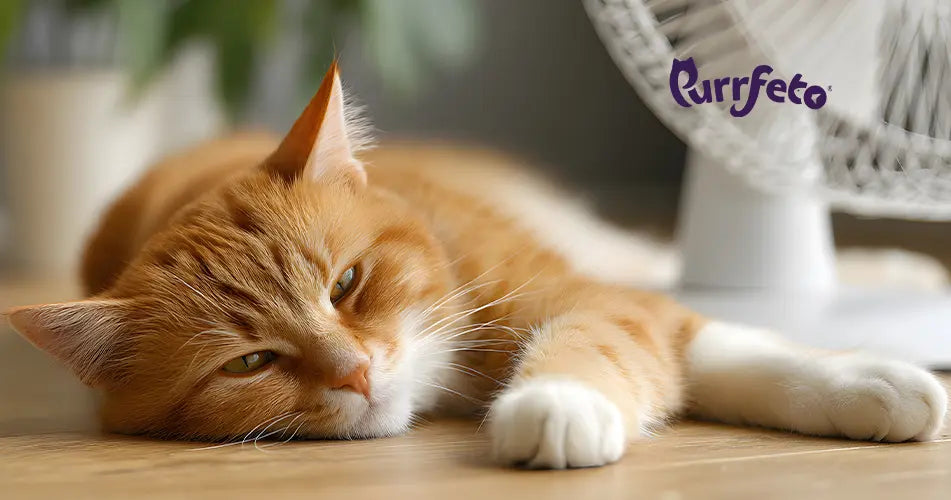
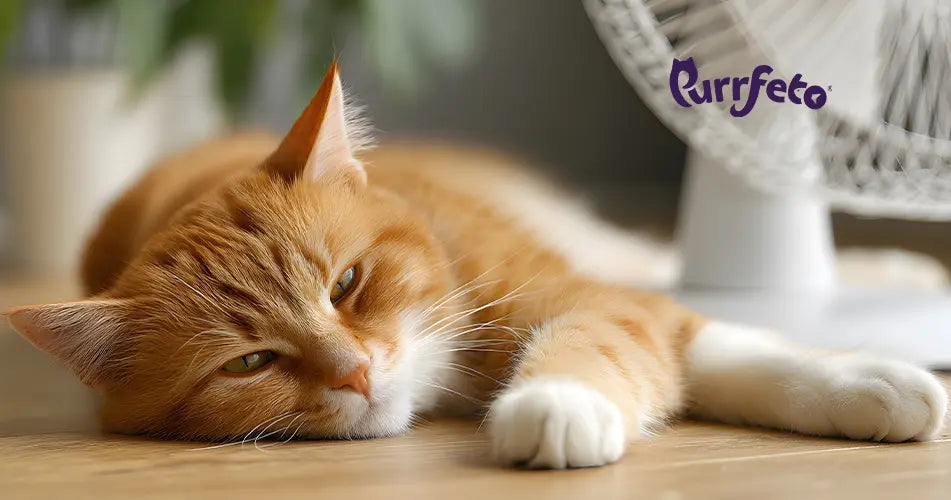
Your cat is sleeping more than usual. She skipped breakfast. Her ears feel warm when you scratch them. Is this cat fever, or is she just having an off day?
Cats are experts at hiding illness. In the wild, looking weak makes you a target, so that instinct never really left our house cats. This is exactly why fever in cats is so easy to miss until it has been building for a day or two. This guide walks you through the real signs of cat fever, what usually causes it (including a few things Indian cat parents specifically need to watch for), how vets treat it, what you can safely do at home, and when a warm cat becomes an emergency.
What Counts as a Fever in Cats?
A healthy adult cat runs warmer than a person. Normal body temperature for a cat sits between 100.4°F and 102.5°F (38°C to 39.2°C). Anything above 102.5°F (39.2°C) is technically a fever. While anything slightly above this range is a mild elevation, a clinically significant high fever generally begins when the temperature reaches 103.5°F (39.7°C) or above.)
There are two different things happening when a cat's temperature rises, and the difference matters:
- Fever (pyrexia) happens when the brain's temperature control center deliberately raises the body's set point, usually because the immune system has detected an infection or inflammation (happens when your cat's immune system detects an infection or inflammation, prompting the brain to temporarily turn up its internal thermostat to help fight off the illness). It is a defensive response.
- Hyperthermia happens when the body overheats from an outside cause, like a hot car, a scorching afternoon, or intense play, and the internal thermostat hasn't changed at all.
The two can look identical on the outside, but they're treated very differently, which is another reason a real fever always deserves a vet's opinion rather than a guess.
Here's a simple way to read the numbers:
| Temperature Range | Classification | Action Required |
| 100.4°F – 102.5°F (38°C – 39.2°C) | Normal range | None. This is a healthy baseline for most cats. |
| Above 102.5°F (>39.2°C) | Elevated temperature/Mild Fever | Monitor closely. Check for other symptoms and consult your vet if it persists past 24 hours or if symptoms are present. |
| Above 104°F (>40°C) | Moderate to High Fever | Seek veterinary advice promptly. Contact your vet for an appointment or advice. |
| Above 106°F (>41.1°C) | Emergency | Seek immediate veterinary care. High temperatures or fevers accompanied by collapse, seizures, or breathing difficulty are critical emergencies. |
The only way to actually confirm a fever is with a thermometer (a digital rectal thermometer, used gently, is the standard). Touching your cat's nose or ears can point you in the right direction, but it isn't reliable enough to act on by itself.
Cat Fever Symptoms: What to Watch For
Because cats mask illness so well, it's usually a combination of small changes that gives it away, rather than one dramatic sign. Common cat fever symptoms include:
- Lethargy: sleeping more, avoiding play, low energy
- Reduced appetite or ignoring food completely
- Warm, hot ears and paws
- Hiding under furniture or in closets, away from the family
- Rapid or shallow breathing
- Shivering or trembling
- Dull, glassy eyes or reduced grooming (a fever-sick cat often stops keeping its coat neat)
- Dehydration, noticeable as dry, tacky gums
If you spot two or three of these together, especially lethargy plus appetite loss, it's a good reason to check your cat's temperature or book a vet visit. A single symptom on its own, like an afternoon nap, obviously isn't cause for alarm.
Causes of Cat Fever
A fever isn't a disease by itself. It's a symptom, a sign that the immune system has switched on. The underlying trigger can be minor or serious, which is exactly why vets investigate rather than just treat the number on the thermometer.
Infections: This is the most common driver. Viral infections (like feline calicivirus or feline herpesvirus), bacterial infections, and abscesses from fights or wounds are frequent causes of cat fever, particularly in cats that spend time outdoors.
Tick-borne diseases: This one deserves special attention for cat parents in India. Conditions like ehrlichiosis, babesiosis, and haemobartonellosis are spread through tick bites and are increasingly reported in Indian cats, especially community cats and those with any outdoor access. Cytauxzoonosis, once thought to be rare outside the Americas, has also now been identified in Indian cats. These infections can cause sudden high fever alongside lethargy and pale gums, and some progress quickly, so tick prevention genuinely matters here.
Vaccine reactions: A mild, short-lived fever for a day or so after vaccination is normal and not a cause for concern on its own.
Immune-mediated and inflammatory conditions: Diseases such as pancreatitis or immune-mediated hemolytic anemia can trigger fever even without an outside infection.
Feline Infectious Peritonitis (FIP): A fever that doesn't respond to antibiotics, especially alongside weight loss or a swollen belly, is one of the classic warning signs of FIP, a serious viral disease that needs prompt veterinary workup.
Heatstroke and hyperthermia: Indian summers are genuinely hard on cats. A cat left in a parked car, a poorly ventilated balcony, or direct sun for too long can develop dangerously high body temperature that looks like a fever but isn't, and it needs immediate cooling and emergency care rather than the same approach as an infection-driven fever.
High Temperature in Cats: When It Becomes an Emergency
Not every warm cat needs an emergency room, but some signs mean you shouldn't wait:
- Temperature above 106°F (41°C)
- A moderate to high fever (above 103.5°F) that doesn't come down within 24 hours
- Difficulty breathing or open-mouth breathing
- Collapse, weakness that prevents standing, or seizures
- Pale, blue-tinged, or very dark red gums
- A swollen or painful abdomen
- No food or water intake for 24 hours
If you're comfortable and your cat tolerates it, a digital rectal thermometer with a little lubricant gives the most accurate reading at home. If your cat resists or you're unsure, don't force it. Getting scratched or stressing your cat out isn't worth it. Your vet can get an accurate reading safely in minutes.
Cat Fever Treatment: What Happens at the Vet
Treating a fever always starts with finding out what's causing it, since the fever itself is just a symptom. A typical vet visit for suspected cat fever includes:
- History and physical exam, including a rectal temperature reading, checking hydration, listening to heart and lungs, and feeling the abdomen and lymph nodes.
- Diagnostics, such as bloodwork, urinalysis, or imaging, depending on what the exam suggests.
- Targeted treatment, which might mean antibiotics for a bacterial infection, IV or subcutaneous fluids for dehydration, pain relief prescribed and dosed specifically for cats, or hospitalisation for a high or persistent fever.
Interestingly, for a mild fever, vets often don't rush to bring the temperature down artificially, because a moderate fever helps the body fight infection. The focus instead is on treating the cause and keeping the cat comfortable and hydrated while it does its job.
One rule matters more than any other: never give your cat human fever medication. Paracetamol (acetaminophen) and ibuprofen are highly toxic to cats and can be fatal even in small amounts. Cats process many human and dog medications differently, which can make everyday drugs dangerous for them. So any medication should come from your vet, dosed specifically for your cat.
Most fevers caused by minor infections improve within one to five days once the underlying issue is being treated. Fevers linked to more serious or chronic conditions naturally take longer and need closer monitoring.
How to Reduce Fever in Cats Safely at Home
If your cat is showing mild symptoms and you're arranging a vet visit, there's a safe, supportive role you can play while you wait. This isn't a substitute for veterinary care, but it does make your cat more comfortable.
- Keep fresh water available everywhere your cat rests. Dehydration makes fever harder on the body.
- Offer food, even if appetite is low. A sick cat that stops eating for more than a day is at risk of a separate problem (hepatic lipidosis), so gentle encouragement to eat matters. Warming food slightly or switching to a softer, more aromatic wet food can help tempt a fussy, unwell cat, since strong smell and texture do a lot of the work when a cat's appetite has dropped.
- Let them rest in a cool, quiet, draft-free room, away from direct sun or a hot balcony.
- A cool, damp cloth wiped gently over the ears and paws can offer comfort, but avoid ice packs or cold baths. Cooling a cat too fast can cause shock, and this kind of aggressive cooling should really only be done under a vet's direction, particularly if heatstroke rather than infection is suspected.
- Don't wait it out if things aren't improving. Home comfort measures are a bridge to the vet, not a replacement for one.
Nutrition's Role in Recovery and Everyday Immune Health
Food alone won't cure a fever, and no cat food can replace veterinary treatment for an underlying infection. But nutrition plays two genuinely useful roles around fever: helping a recovering cat eat and rehydrate, and supporting the everyday immune resilience that helps cats bounce back faster from minor illness in the first place.
During recovery, palatability matters. A cat that won't touch dry kibble will often still lean in for a soft, gravy-based wet food, and the added moisture helps with hydration too. This is where something like Purrfeto's wet cat food range, with options like Mackerel in Gravy, Ocean Fish in Gravy, and Tuna Platter in Jelly, can genuinely help coax a reluctant eater, especially in small 80g pouches that stay fresh for a single sitting instead of sitting open in the fridge.
For everyday prevention, a consistently balanced diet supports the immune system long before illness shows up. Purrfeto's recipes are vet-formulated and built with chicken and fish as the primary protein source, with taurine for heart and eye health, Omega-3 and Omega-6 for a healthy coat and skin barrier (a cat's first line of defence), and psyllium husk to support smooth digestion. Whether you go with the dry Chicken & Ocean Fish or Chicken & Sardine recipes for daily feeding or keep a stock of wet pouches on hand for low-appetite days, consistent, high-quality nutrition is one of the simplest things you can control as a cat parent. You can browse the full Purrfeto range for kittens and adult cats to find the right everyday fit for your cat.
Prevention Tips: Reducing the Risk of Cat Fever
Most causes of fever can't be avoided entirely, but you can meaningfully lower the odds:

Final Thoughts
A fever in a cat is a message, not the illness itself. Your job as a cat parent isn't to chase the number down; it's to notice the early signs, get an accurate temperature reading, and let your vet find out what's really going on underneath. Keep your cat hydrated, comfortable, and eating where you can, stay consistent with preventive care like vaccinations and tick control, and don't hesitate to call your vet the moment something feels off. Cats can't tell you in words that they feel unwell, but they will show you if you know what to look for.
This article is for general information and isn't a substitute for a veterinary diagnosis. If your cat is showing signs of fever, please consult your veterinarian.
FAQs
Can you give your cat paracetamol or any human fever medicine?
No. Paracetamol and ibuprofen are toxic to cats and can be fatal even in small doses. Only give medication that your vet has specifically prescribed for your cat.
How can you tell if your cat has a fever without a thermometer?
Watch for warm ears and paws, lethargy, appetite loss, hiding, and reduced grooming together. These are strong clues, but only an actual temperature reading, ideally taken by or confirmed with a vet, tells you for certain.
How long does a cat's fever usually last?
A fever from a minor infection typically improves within one to five days once treatment starts. A fever that persists beyond that, or keeps returning, points to something that needs further investigation.
Can stress alone cause a temperature spike in cats?
Yes, situational stress, like a car ride or vet visit, can cause a temporary rise in body temperature that isn't a true fever and settles once your cat calms down. It's different from illness-driven pyrexia, and a vet visit is the easiest way to tell the two apart if you're unsure.
Are outdoor or community cats more likely to get a fever?
Yes. Cats with outdoor access face a higher risk of tick exposure, fight-related abscesses, and contact with infectious cats, all common causes of fever. Reduced outdoor time, along with tick prevention, meaningfully lowers that risk.
 Back to Blogs


