
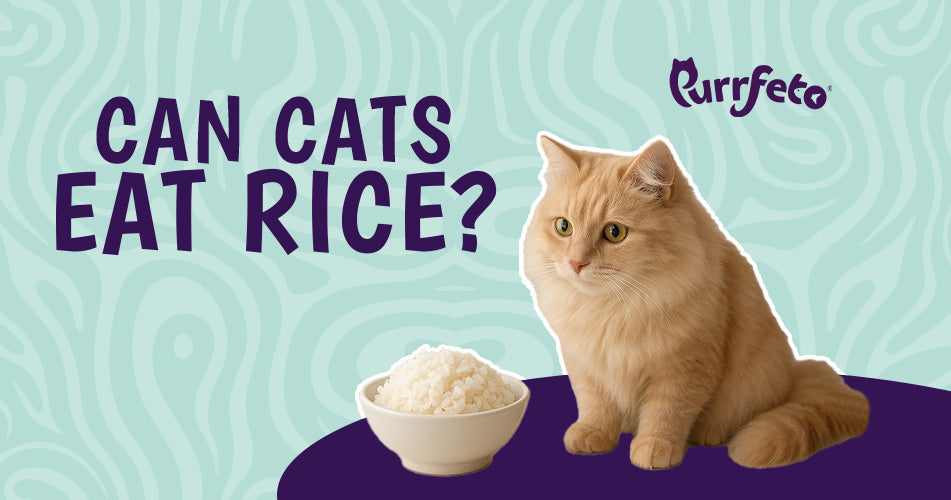
Cats are naturally curious creatures. Whether it’s a shiny object or a new aroma from the kitchen, they love exploring anything that catches their attention. This curiosity often leads pet parents to wonder: “Can cats eat rice?” Many households cook rice daily, so it’s natural to question whether it’s safe for feline companions.
While cats are carnivores who thrive on meat-based nutrition, certain ingredients, when chosen thoughtfully, can complement their meals. Rice is one such ingredient. When included in balanced, nutritious cat food, it can support digestion, energy, and overall health. Understanding how rice fits into a cat’s diet helps owners make caring and informed feeding decisions.
Why Cats Need Balanced Nutrition
Cats require essential animal-derived nutrients that they cannot produce on their own, including taurine, arginine, preformed Vitamin A, and arachidonic acid. These nutrients keep their heart strong, their vision sharp, and their bodies energetic. A diet lacking in sufficient protein can lead to dull fur, weakness, or long-term health concerns.
Rice, on the other hand, is not a replacement for protein but can be a gentle and digestible addition. While cats derive their primary energy from proteins and fats, small amounts of plain, fully cooked rice can provide gentle digestive support during minor stomach upset. When combined with quality protein sources such as chicken, rice helps form a complete and balanced diet suited to a cat’s natural needs.
Cats also rely on essential nutrients like taurine for heart and eye health, making it important for owners to choose meals that support complete nutrition. Pet parents can learn more about this vital nutrient in the detailed guide on Why Taurine Matters in Your Cat’s Food
Can Cats Eat Rice? What You Should Know

So, can cats eat rice? Yes, when given in moderation and in the right form. Fully cooked, plain rice is safe for cats. It is commonly used in meals to support digestion, especially when a cat needs something gentle on the stomach. This makes rice a suitable supportive ingredient for feeding rice to cats in a balanced way.
Never feed cats rice cooked with onions, garlic, chives, salt, oils, or heavy seasonings, as items from the onion and garlic family are toxic to felines and can cause severe anemia. The safest and healthiest way for cats to eat rice is through cat food with rice that has been carefully formulated by experts. Such recipes ensure that rice plays a complementary role while the essential nutrients come from high-quality protein.
Rice is not a primary food source; it is a supportive one. But when paired smartly with nutrient-rich ingredients, it can help maintain energy, comfort, and digestive well-being. For more guidance on choosing the right type of cat food, including wet and dry options, check out Wet vs. Dry Cat Food: Which Is Best for Your Cat. This guide helps owners make informed choices to support their cat’s overall health and digestion.
The Role of Chicken and Rice in a Cat’s Diet

The chicken and rice for cat combination is loved for its simplicity and digestibility. Chicken offers high-quality protein for strong muscles and immunity, while rice provides gentle carbohydrates that support smooth digestion, ideal for sensitive stomachs or diet transitions.
It helps with:
-
Muscle strength
-
Healthy skin and coat
-
Easy digestion
- Daily energy and playfulness
Cats generally enjoy the taste of chicken, making these meals both nutritious and appealing. A nutritious option for both kittens and adult cats is Purrfeto Chicken & Rice Formula. For kittens, Purrfeto Chicken & Rice Kitten Dry Cat Food is specially crafted to support their growing needs, while for adults, Purrfeto Adult Dry Cat Food with Chicken & Rice provides a balanced mix of protein, vitamins, minerals, and easily digestible rice to meet the complete nutritional requirements of adult cats.
This wholesome recipe provides:
-
High-quality chicken protein for muscle strength
-
Digestible rice that supports smooth digestion
-
Essential nutrients for immunity and overall well-being
- A tasty, satisfying meal that cats genuinely enjoy
Choosing a balanced diet formulated to maintain proper urinary pH and adequate hydration helps support urinary tract health and reduce the risk of FLUTD (Feline Lower Urinary Tract Disease). It shows how rice, when used right, becomes part of a nourishing diet that helps cats stay active, playful, and thriving.
By offering a thoughtfully formulated meal through Purrfeto cat food, cat parents can confidently give their furry friends the right blend of taste and nutrition.
How to Include Rice in a Cat’s Diet Safely
While rice can be included safely, it should be done mindfully:
-
Ensure rice is completely cooked and soft. Never feed raw or undercooked rice, as it can cause severe gastrointestinal distress, bloating, and intestinal blockages.
-
Pair rice with a high-quality protein like chicken.
-
Observe how your cat digests meals containing rice.
-
Introduce any ingredient slowly and thoughtfully.
-
Use rice as a complementary ingredient, not the main diet.
These guidelines help ensure that rice for cats supports their health rather than replacing essential nutrients.
Benefits of a Nutritionally Complete Meal

Cats thrive when their meals deliver everything their bodies require: protein, healthy fats, vitamins, minerals, and gentle carbohydrates. Complete nutrition ensures:
-
Strong muscles and steady energy
-
A shiny, soft coat
-
Good digestion and immunity
-
Active, playful behavior
-
Fewer health issues due to deficiencies
A well-rounded diet is one of the biggest acts of care a cat parent can offer. Meals that integrate protein with digestible ingredients like rice show love through nourishment.
Tips for Feeding Rice to Cats
Here are a few thoughtful feeding tips:
-
Choose balanced meals that blend rice with high-quality protein.
-
Avoid seasoning or flavored rice.
-
Notice how your cat responds to new ingredients.
-
Avoid large portions of rice.
-
Introduce dietary changes gradually and gently.
With these simple habits, feeding rice becomes safe, supportive, and beneficial for your pet.
Conclusion: Feeding Cats With Care and Love
Rice can be a safe and gentle addition to a cat’s diet when served thoughtfully and paired with nutritious protein sources. The goal is always to offer well-rounded meals that nourish the body and support daily activity. However, this formula is not suitable for diabetic cats, and portion control is important to maintain optimal health.
Choosing balanced recipes, like those offered through Purrfeto, ensures cats receive everything they need to stay healthy and full of life. With the right care and nutrition, cats continue to grow strong, stay playful, and fill homes with joy every day.
FAQs
1. Can kittens eat rice?
Kittens can have rice as part of a balanced diet, but formulated kitten meals provide all essential nutrients for growth.
2. Is chicken and rice good for cats?
Yes, chicken and rice meals are nutritious when included in a complete, balanced diet. But it is not suitable for diabetic cats because rice contains carbohydrates.
3. Can rice be mixed with cat food?
Rice can be included safely as part of a meal, ideally blended with protein for optimal nutrition.
4. How often can cats have rice?
Rice should be given occasionally as part of a balanced meal, never as the main food source.
5. Is white rice better than brown rice for cats?
White rice is easier to digest and best for soothing an upset stomach. Brown rice contains more fiber, which can aid digestion in small amounts but may be harder for sensitive stomachs to process.
6. Can cats eat rice and vegetables?
In small amounts, plain cooked vegetables like carrots or green beans combined with rice are non-toxic, but cats get minimal nutritional value from plants. Meat should always be the primary focus of their diet.
7. Does rice help cats with diarrhea?
Yes, small portions of plain, fully cooked white rice can help bind loose stools during mild digestive upset. If diarrhea lasts over 24 to 48 hours, seek veterinary care.
8. Can Persian cats eat rice?
Yes, Persian cats can eat plain, fully cooked rice in small amounts like any other breed. However, because flat-faced breeds can be prone to sensitive digestive systems, keep portions minimal.
9. Can cats eat curd rice?
No, human-style curd rice should be avoided. Adult cats are often lactose intolerant, and human preparations usually contain added salt, spices, or oils that cause stomach upset.
10. Can cats eat rice and milk?
No, feeding rice with cow’s milk is not recommended. Most adult cats cannot properly digest lactose, so combining milk with rice can trigger diarrhea and intestinal pain.
 Back to Blogs


